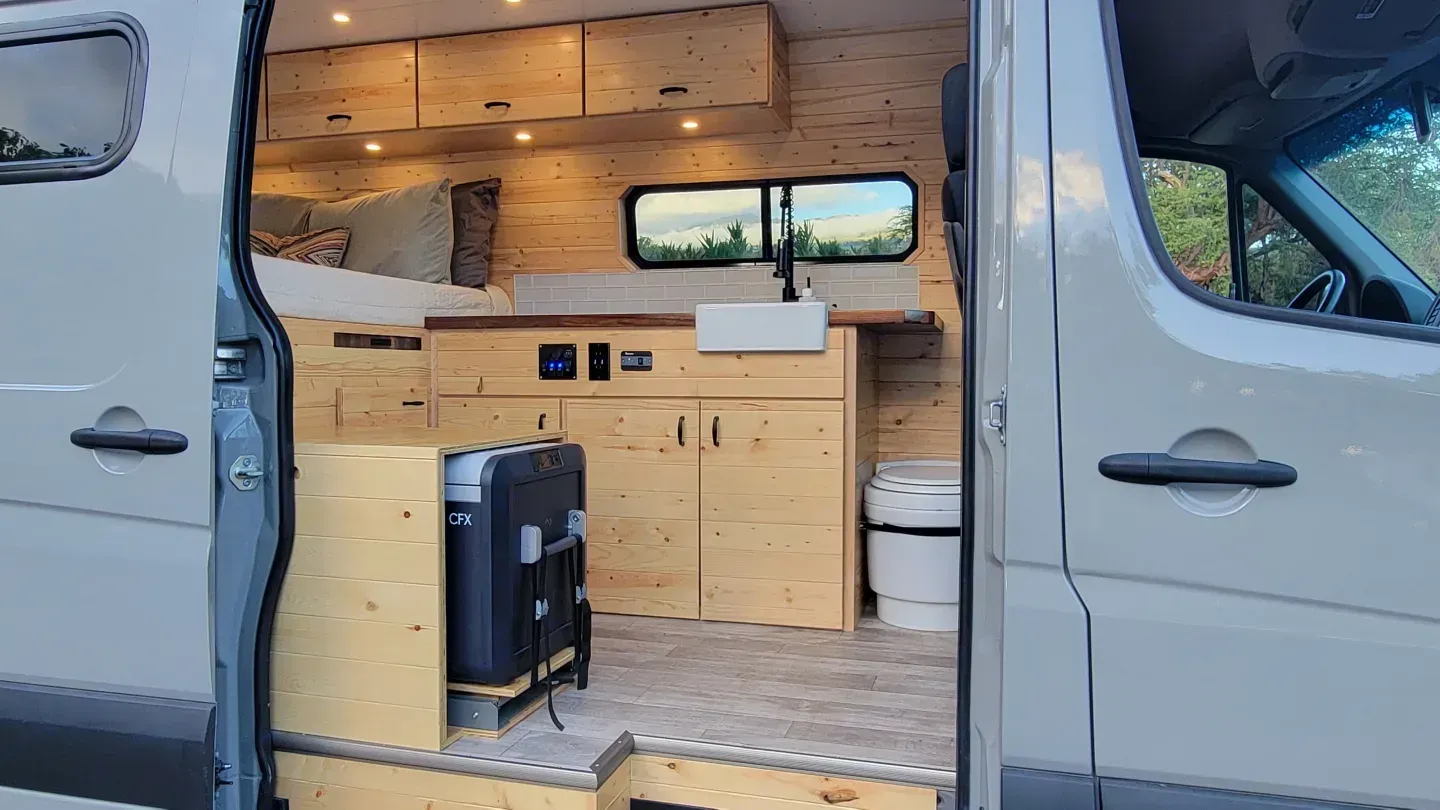
What to Do If Your Sprinter RV Rental Breaks Down: A Step-by-Step Guide
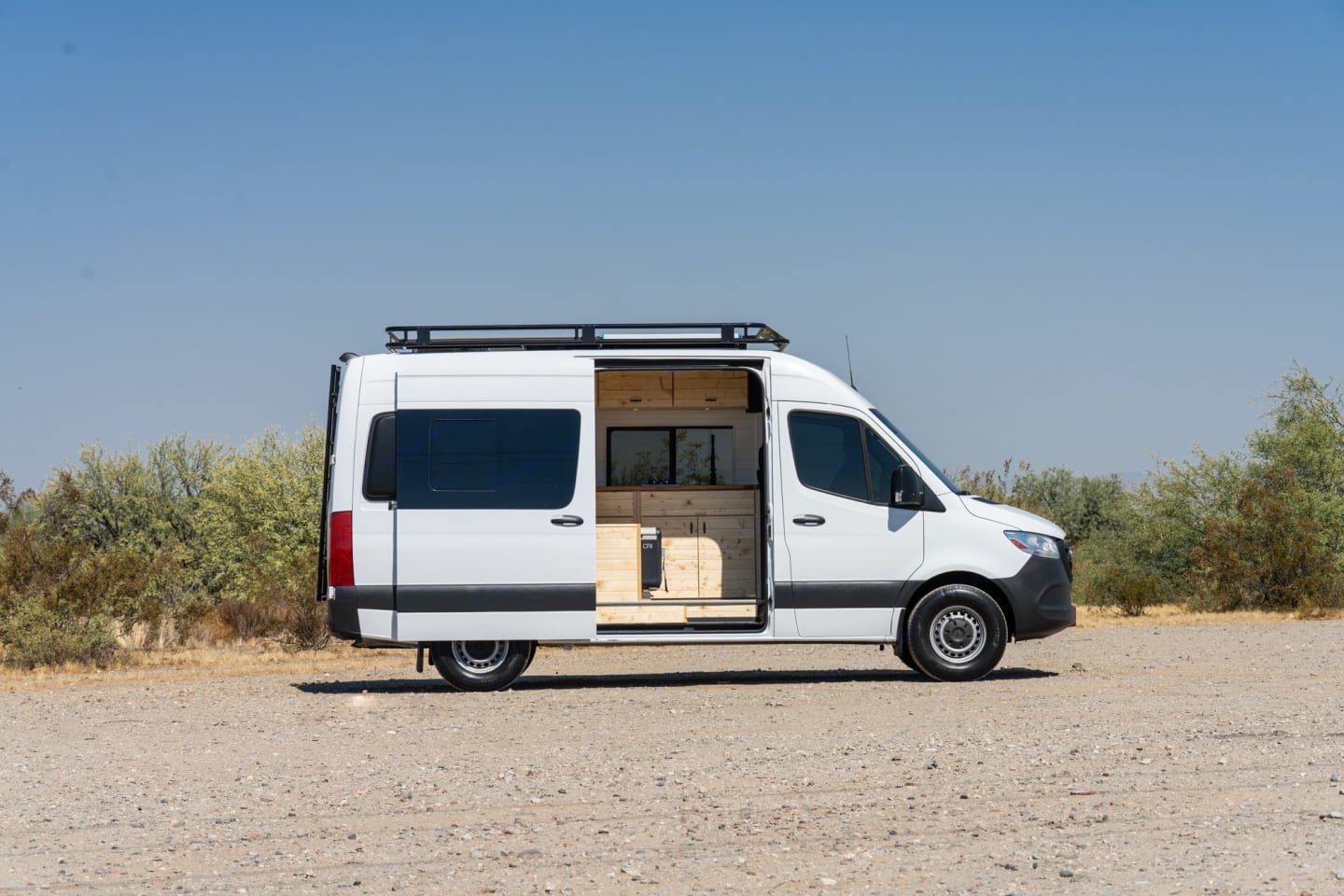
Breaking down in your Sprinter RV rental during a vacation is the last thing anyone wants, especially when you’re heading to a mountain resort or gearing up for a day of hiking. But don’t worry—these things happen, and knowing what to do can save your trip.
Whether you’re exploring a luxury destination or camping off the grid, this guide will walk you through simple steps to handle an RV breakdown and get back to enjoying your adventure.
1. Stay Calm and Check the Problem
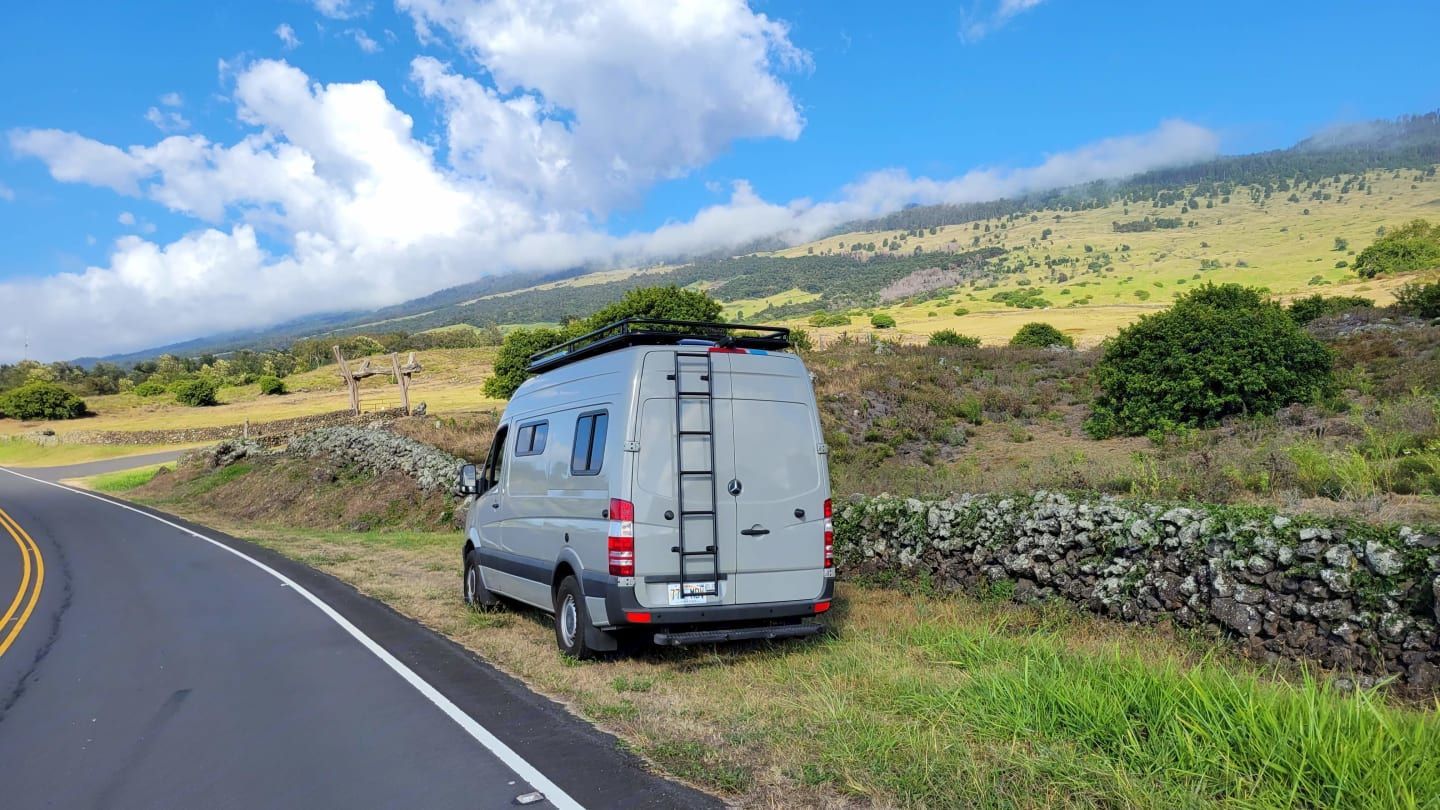
When your Sprinter or campervan has a breakdown, the first thing to do is stay calm and safely pull your RV, trailer, or campervan to the side of the road, turn on your hazard lights, and take a moment to assess the issue.
Is it something simple, like a flat tire, or something more serious, like an engine problem? Look for leaks, smoke, or strange sounds. If you have LED road flares or reflective triangles, set them up to make sure other drivers see you.
2. Focus on Safety First
Your safety comes first. If you’re on a busy highway or near blind curves, carefully exit the vehicle and stand at a safe distance from traffic. Use reflective gear, flares, or bright LED lights to make your RV visible, especially at night or in bad weather.
Once everyone’s safe, you can start figuring out what to do next.
3. Use the RV Manual
Your recreational vehicle manual is a lifesaver in situations like this. It can guide you through basic troubleshooting, like resetting the air conditioning, checking fluid levels, or replacing a fuse. Before your road trip, it’s a good idea to skim through the manual so you’re prepared for unexpected problems.
4. Call Roadside Assistance
If you can’t fix the problem on your own, it’s time to call roadside assistance. Make sure you have RV-specific coverage, as regular plans may not include towing a campervan or refilling special fluids like propane, gas for your generator, or antifreeze. Services like RVshare or rental agreements often include roadside help, so check your policy ahead of time to avoid surprise fees.
5. Give Clear Information
When you call for help, be ready with details. Share your exact location, describe the issue, and mention any immediate safety concerns. While GPS helps, giving landmarks like a nearby trail or exit sign can speed up the process.
6. Document the Breakdown
While waiting for assistance, use your phone to take pictures of the issue. Whether it’s a damaged wheel, leaking tank, or unusual engine trouble, documenting the situation can help with insurance claims and make things easier for the mechanic.
7. Stay Updated on Repairs
After your RV gets to the repair shop, stay in touch with the staff. Ask about timelines and updates, especially if you’re on a tight schedule. If repairs take longer than expected, some insurance plans cover hotel stays and meal costs, so check your policy for details.
8. Find Temporary Accommodation
If your RV is your sleeping space or kitchen, you’ll need a backup plan while it’s being repaired. Look for nearby campsites, motels, or rental companies offering short-term options. Knowing where to go can reduce stress and keep everyone comfortable.
9. Learn from the Experience
Once your RV is fixed and back on the road, think about what you can do to avoid future breakdowns. Regular maintenance checks, like monitoring tire pressure, fluid levels, and the air conditioning system, can save you trouble later. Create a simple checklist to review before every road trip.
With the right preparation and a calm approach, you can handle RV breakdowns without ruining your vacation. Whether you’re exploring Yosemite National Park, relaxing near Glacier National Park, or enjoying a road trip through California, being ready will help you return to making memories faster.
How to prevent RV rental breakdowns on long road trips?
Avoiding breakdowns is all about preparation and regular checks. Here’s how you can keep your Sprinter RV rental running smoothly on the road:
Check the Tires
Inspect the tire pressure and tread before heading out. Low-pressure or worn-out tires can lead to blowouts, especially on long drives.
Top Off Fluids
Make sure all the key fluids, like oil, antifreeze, and brake fluid, are at proper levels. Running low can cause engine trouble or overheating.
Test the Battery
Check the charge on the main battery and auxiliary systems that power things like the refrigerator and kitchen appliances. A dead battery can ruin your trip.
Inspect the Generator
Keep your generator fueled and test it before leaving. You don’t want to be without power for your air conditioning or microwave at your campsite.
Review the RV Manual
Take a few minutes to familiarize yourself with basic troubleshooting tips in the manual. Knowing how to reset a fuse or adjust the awning can save time.
Check for Leaks
Look for any signs of fluid leaks under the vehicle. Catching a leak early can prevent bigger problems.
Light and Signal Test
Make sure all lights and signals are working. This is essential for safety and avoiding roadside issues.
Secure Loose Items
Ensure the awning, kitchen appliances and storage compartments are secure to prevent damage while driving.
Pack Emergency Gear
Bring along essentials like a spare tire, jack, LED flares, and basic tools. These can be lifesavers in case something goes wrong.
Schedule Maintenance
If your rental hasn’t had recent maintenance, ask the rental company about it. Ensuring the RV is serviced before your trip can prevent common issues.
By taking these steps, you’ll minimize the chance of a breakdown and stay focused on enjoying the road.
What are the common causes of RV rental breakdowns on the road?
Breakdowns can happen, even on the best-planned road trips. Here are some common reasons your Sprinter RV rental might run into trouble:
Flat or Blown Tires
Tires take a beating on long trips, especially on rough roads or mountain trails. Keep an eye on tire pressure and tread before hitting the road.
Engine Trouble
Overheating or a lack of regular maintenance can cause engine problems. Always check fluids like oil and antifreeze before your trip.
Dead Battery
Whether it’s the main engine battery or the auxiliary one powering your RV’s kitchen or refrigerator, a drained battery can leave you stranded.
Generator Issues
Running out of gas for your generator is a common issue. Make sure it’s topped off, especially if you’re relying on it for air conditioning or cooking.
Brake Problems
Heavy RVs put extra strain on brakes. Listen for squeaks or grinding noises and have them checked if something feels off.
Electrical System Failures
RVs have complex systems to power everything from lights to your microwave. Blown fuses or faulty wiring can cause major headaches.
Leaking Fluids
Leaks in the fuel tank, water system, or even air conditioning can cause breakdowns or limit functionality at your campsite.
Clogged Water or Sewer Tanks
If the bathroom, toilet, or sink isn’t draining, it could mean clogged or overfilled tanks. Regular maintenance helps avoid this.
Overloaded RV
Packing too much gear, water, or cargo can strain the vehicle, leading to suspension, engine, or tire issues.
Neglected Maintenance
If the RV wasn’t properly maintained by the rental company or previous renters, problems like worn-out belts or low fluids might pop up.
These common issues can be avoided or minimized with a quick inspection before your trip. Always check your rental agreement to know what’s covered, and make sure roadside assistance is part of your plan.
Frequently Asked Questions
How many people can sleep in a sprinter?
Sprinter campervans typically sleep 2 to 4 people, depending on the model and layout. Smaller vans are perfect for couples or solo travelers, while larger ones with extra beds or a pop-top can fit small families.
Can I fix an RV rental breakdown myself or DIY?
You can handle minor RV issues like replacing a fuse, refilling the generator, or fixing a loose awning yourself, but for major problems like engine or brake trouble, always call roadside assistance.
Do RV rental companies offer 24/7 emergency support?
Yes, most RV rental companies offer 24/7 emergency support to help with breakdowns or other issues.
What to Do if the Engine Overheats
If your RV’s engine overheats, stay calm and follow these simple steps:
Pull Over Immediately
Find a safe spot to stop and turn off the road to avoid causing further damage to the engine.
Open the Hood Carefully
Lift the hood to let the heat escape, but be cautious—things under there might be extremely hot.
Cool the Engine Down
Keep the engine running at a steady RPM with the heater turned on high to help draw heat away from the engine.
Contact the RV Owner or Rental Company
Call the owner to discuss what to do next. They may suggest waiting for the engine to cool completely before checking or adding coolant, or they might direct you to a repair shop if the problem seems more serious.
By acting quickly and following these steps, you’ll minimize the risk of serious damage and get back on your way safely!
Who is responsible for RV rental breakdowns on the road?
If the issue is mechanical and not your fault (e.g., engine failure or air conditioning breaking), the host or rental company is typically responsible for repairs or retrieving the RV. If the problem is caused by user error (e.g., damage to the vehicle, running out of generator gas, or neglecting maintenance), then you, the renter, are likely responsible.
The rental agreement and insurance policy will specify responsibilities, so it’s always best to review those details before starting your trip.
Can I Drive an RV Rental if It Has a Minor Breakdown?
It depends on the issue, but in many cases, it’s better to play it safe and not drive. Here’s what you should consider:
Assess the Problem
If it’s something small, like a blown fuse or a loose awning, you might be able to handle it and continue driving. Check your RV manual for quick fixes before making a decision.
Think About Safety
Even minor issues can become dangerous on the road. For example, a low tire might seem manageable but could lead to a blowout. If you’re unsure, it’s better to pull over and call for roadside assistance.
Check Rental Policies
Some rental agreements may have rules about driving with certain problems. Ignoring them could mean extra fees or trouble with your liability insurance.
Don’t Ignore Warning Signs
Lights on the dashboard, unusual sounds, or fluid leaks are all red flags. Driving an RV with these problems could make the situation worse and cost more to fix.
If you’re not 100% sure it’s safe to keep going, stop and get help.
Don’t Let a Breakdown Stop Your Adventure
There’s nothing more stressful than being in the middle of nowhere and your Sprinter van breaking down. But with the right steps and a clear head, you can handle the situation and get back to enjoying your trip. Preparing ahead, knowing your rental agreement, and staying calm can turn a frustrating moment into just a minor bump in the road.
If Maui is on your travel list,
Mana Vans
is here to make your journey easier. We offer campervans for every budget, from simple setups to luxurious options, and we’ll even help plan your itinerary so you can focus on the adventure.
Book now and explore Maui’s beauty stress-free!