Why Camper Van Rentals Are More Sustainable at Wahi Na‘nea
Hawaii’s beauty is worth protecting, but traditional tourism isn’t always kind to the environment. Large resorts waste water and energy, rental cars crowd the roads, and tourism-related waste piles up.
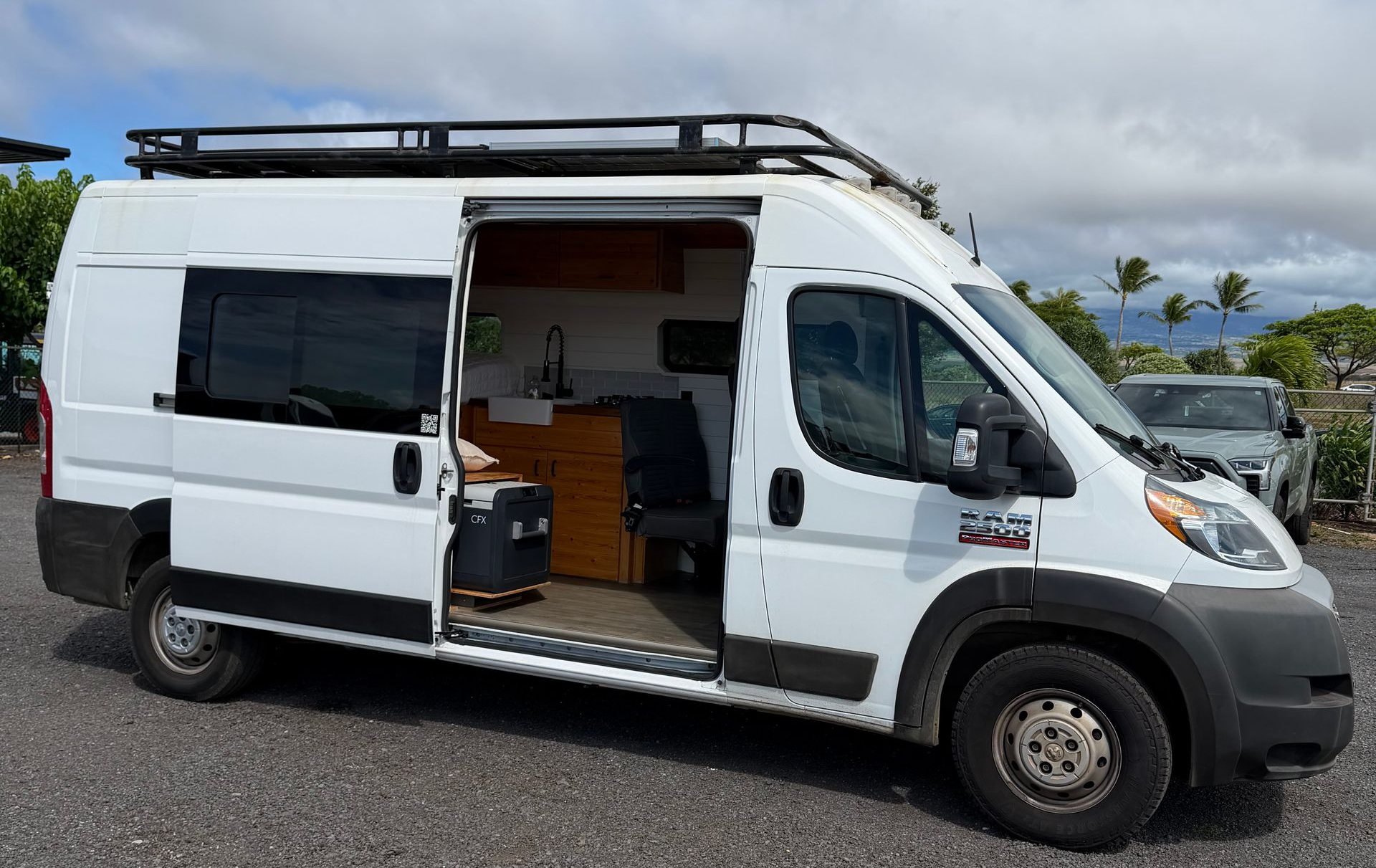
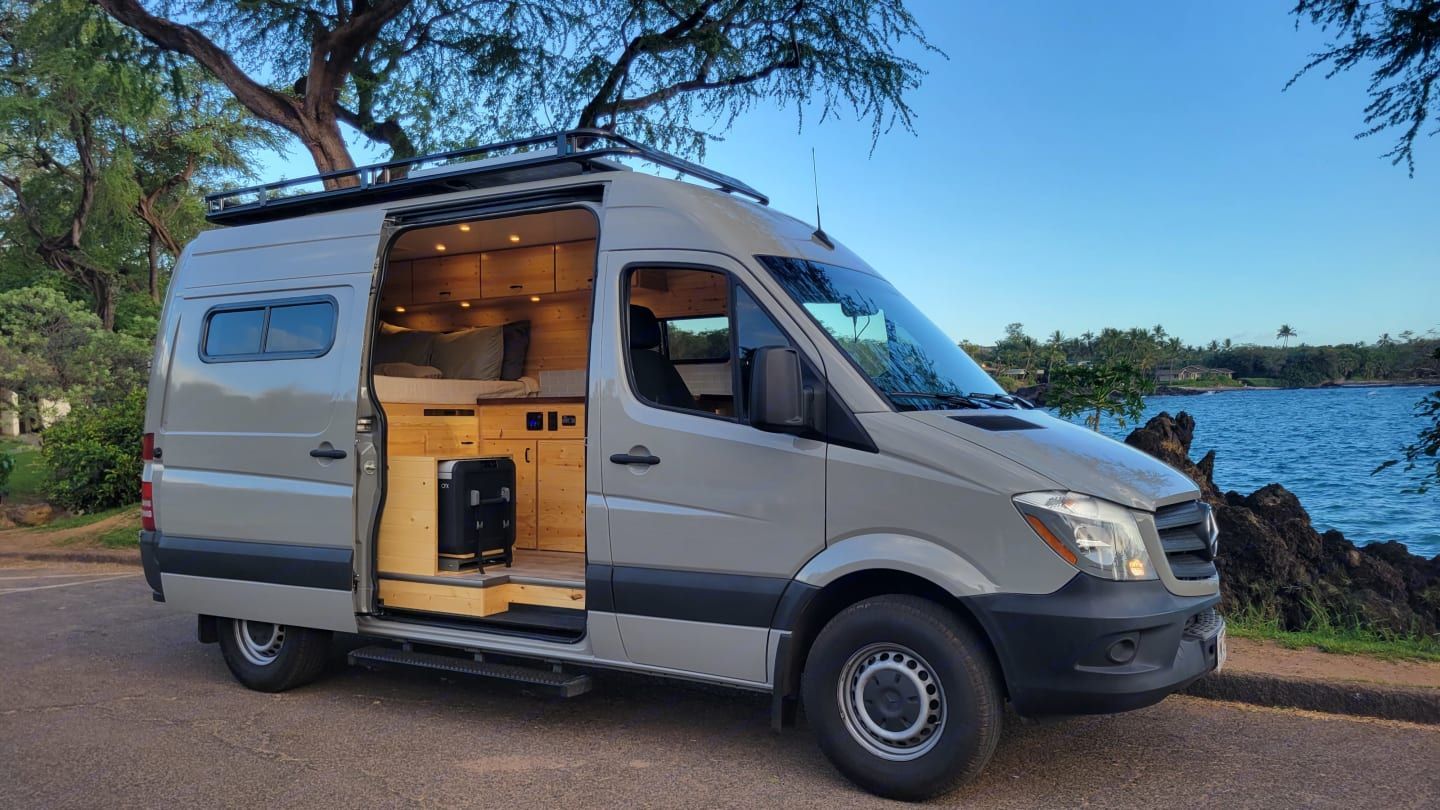
Wahi Na‘nea’s camper van rentals offer a smarter, low-impact way to explore Hawaii. They use fewer resources, generate less waste, and help sustain local businesses rather than corporate resorts.
Keep reading to see why they’re the smarter, more sustainable way to experience the islands.
The Environmental Impact of Traditional Tourism in Hawaii
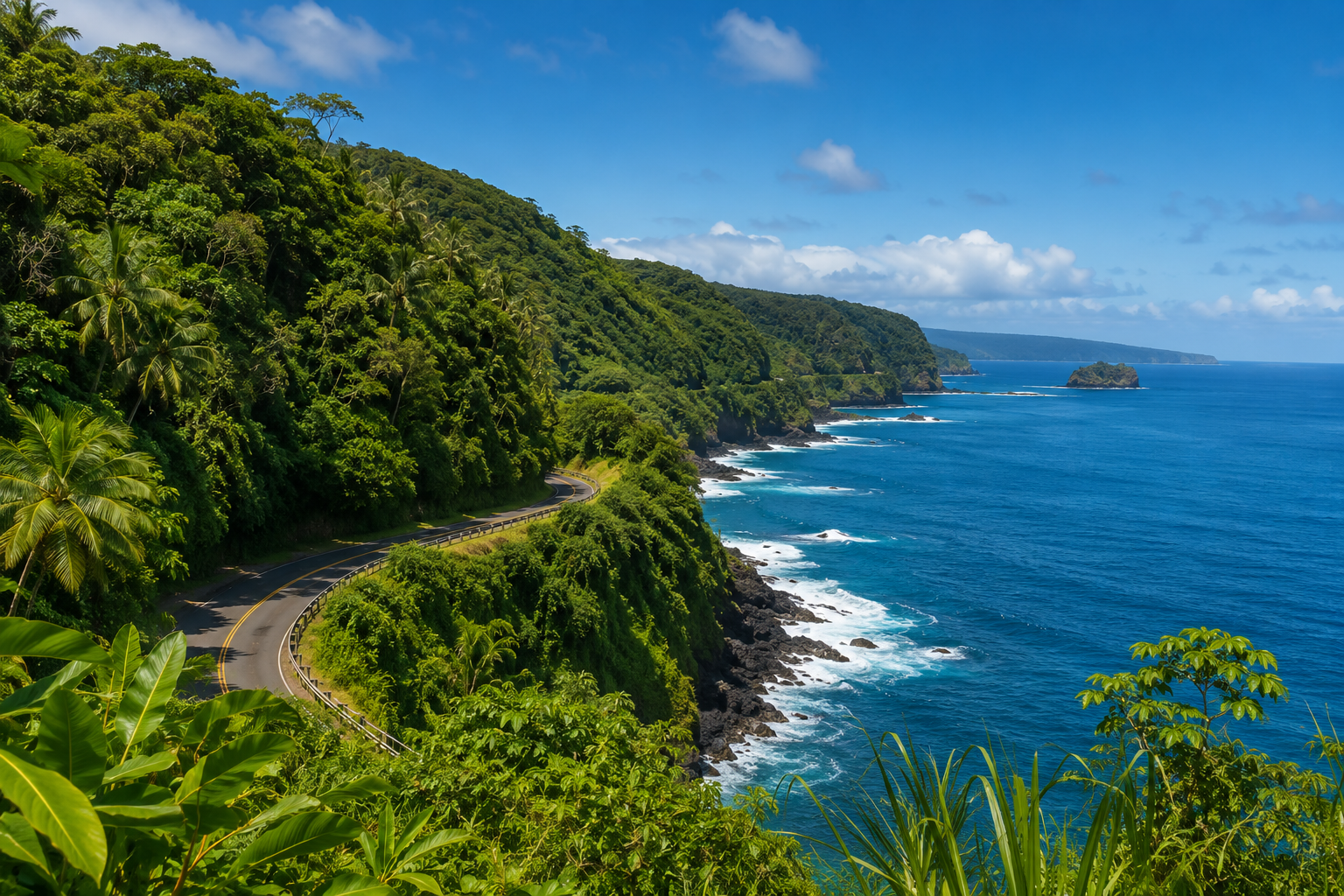
Hawaii is one of the most beautiful places on Earth, but mass tourism is straining natural resources. With millions of visitors each year, the impact on the land, water, and air is impossible to ignore.
Hotels Use Too Much Water and Energy
Guests use up to
400 gallons of water per day, four times the average household. Pools, laundry, and constant air conditioning push energy use even higher, straining local resources.
Too Many Cars, Too Much Traffic
One-third of cars on Hawaii’s roads are rentals. More cars mean traffic jams, air pollution, and a higher demand for fossil fuels.
Too Much Trash, Not Enough Space
Hawaii generates 500,000+ tons of trash yearly, much of it from tourism. Limited landfill space means waste is often burned, shipped elsewhere, or ends up in the ocean.
Overbuilding Destroys Natural Areas
Large resorts clear land, cut down forests and disrupt wildlife habitats. Construction runoff damages coral reefs, killing marine life and changing Hawaii’s coastal environment.
A Better Way to Travel
Camper van rentals let you explore without:
✅ Wasting water in oversized hotel operations.
✅ Overloading the power grid with unnecessary energy use.
✅ Adding to the traffic problem with extra rental cars.
How Wahi Na‘nea Camper Van Rentals Reduce Environmental Impact
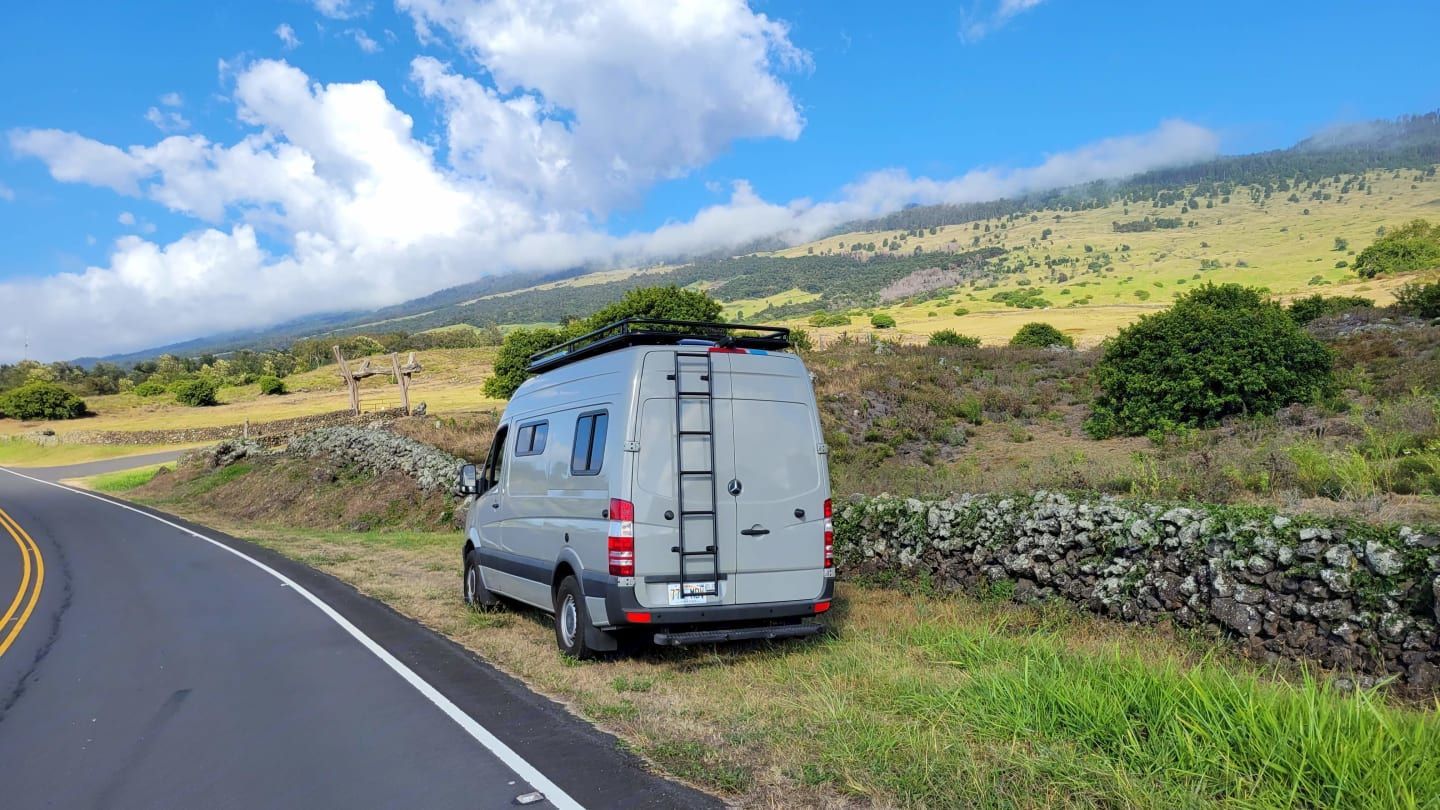
Wahi Na‘nea’s camper van rentals let you experience Hawaii with a smaller footprint. Here’s how they help protect the islands:
Uses Less Water and Energy
Hotels rely on constant washing, cleaning, and cooling. Camper vans cut waste by keeping it simple.
- No oversized pools or industrial laundry machines—just what you actually need.
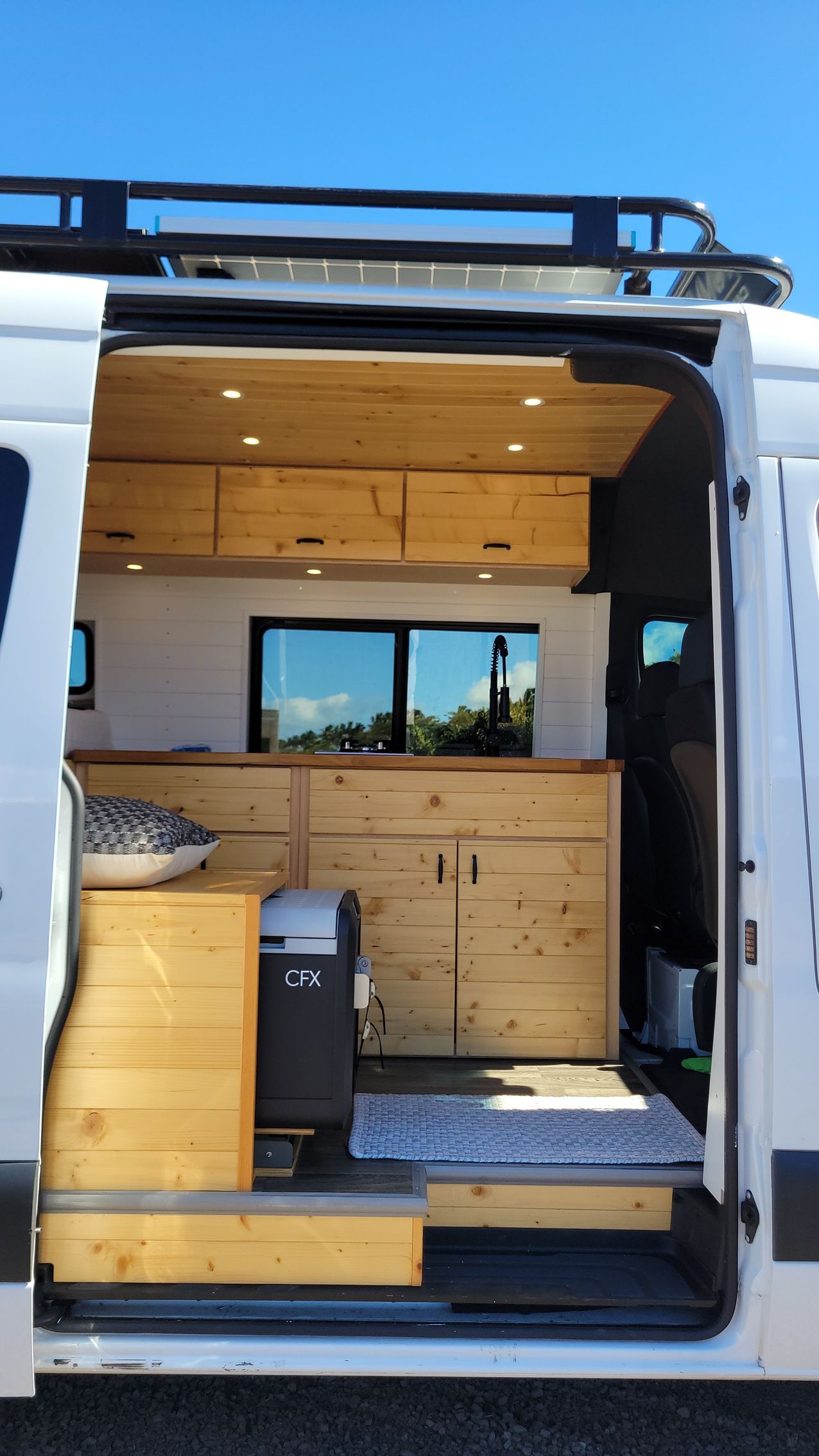
- Solar-powered vans reduce reliance on fossil fuels.
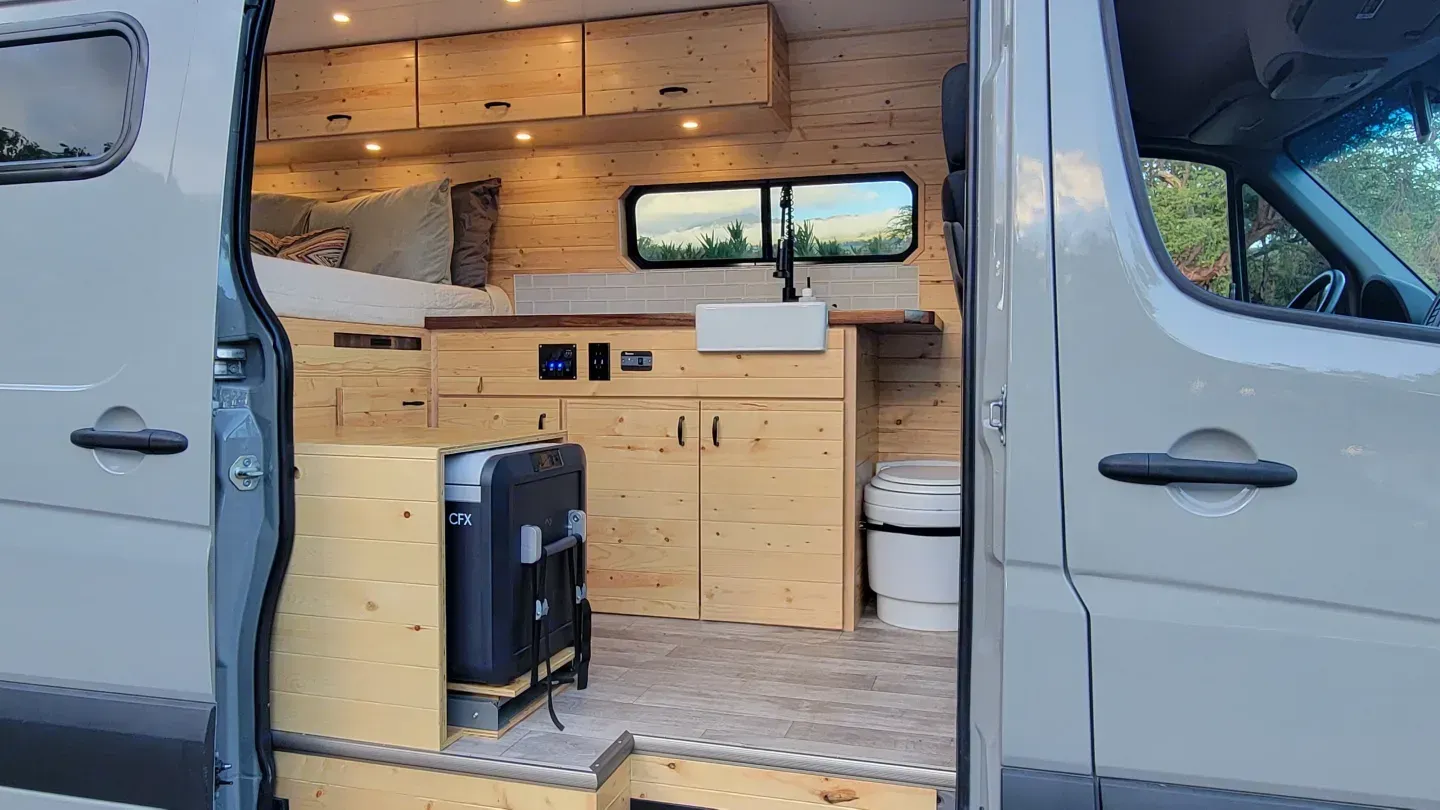
- Built-in water filters let you refill instead of buying plastic bottles.
Cuts Down on Fuel and Pollution
Driving a rental car all day, then blasting hotel air conditioning all night? That adds up. Camper vans offer a more efficient solution.
- No need for both a car and a hotel—one vehicle does it all.
- Vans use less fuel than large SUVs or tour buses.
- Wahi Na‘nea’s campsites are close to top destinations, meaning less time driving and more time exploring.
Creates Less Waste
Hotels burn through disposable plastic products, but camper vans help you cut down on clutter.
- No mini shampoo bottles or single-use cups—just reusable dishes and utensils.
- Wahi Na‘nea has recycling and composting stations to keep waste out of the ocean.
- Renters follow Leave No Trace principles, meaning they pack out what they bring in.
Supporting Local Communities & Conservation Efforts
Renting a camper van at Wahi Na‘nea supports local businesses and helps protect Hawaii’s land.
Here’s how:
More Money Stays in the Community
Resorts send profits to corporations, but camper van travelers spend their money locally.
- They shop at farmers’ markets and small grocery stores.
- They eat at family-run cafes and food trucks instead of hotel restaurants.
- They rent gear from
local shops, keeping small businesses running.
Less Strain on Local Resources
Hotels need new roads, more buildings, and constant maintenance. Camper vans don’t.
- They use existing roads and campgrounds instead of adding new construction.
- They don’t drain local utilities like large resorts do.
- Less development means
less damage to forests and wildlife.
Direct Support for Conservation
Wahi Na‘nea puts money toward protecting Hawaii’s land.
- A portion of rental fees goes to conservation projects.
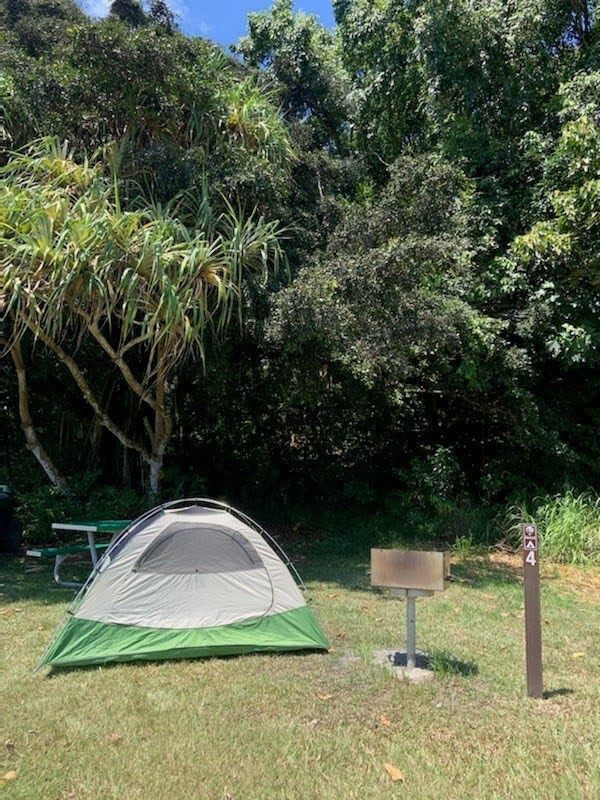
- The campground
organizes clean-up events to keep beaches and trails clear.
Best Things to Do at Wahi Na‘nea
Here are the top things to do while staying at Wahi Na‘nea:
1. Wake Up to Stunning Sunrises
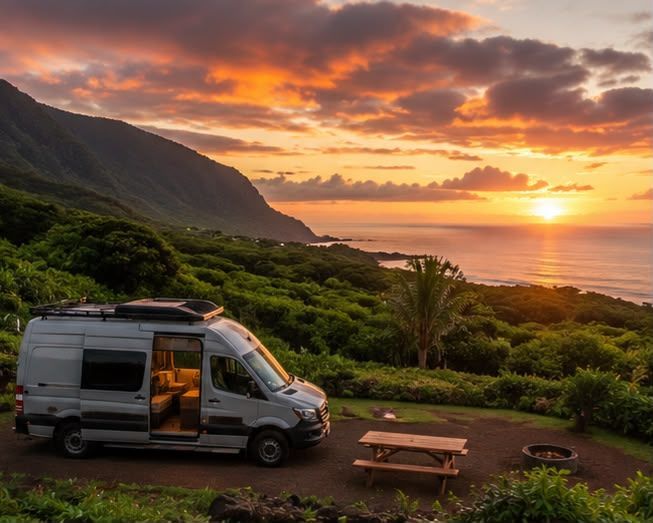
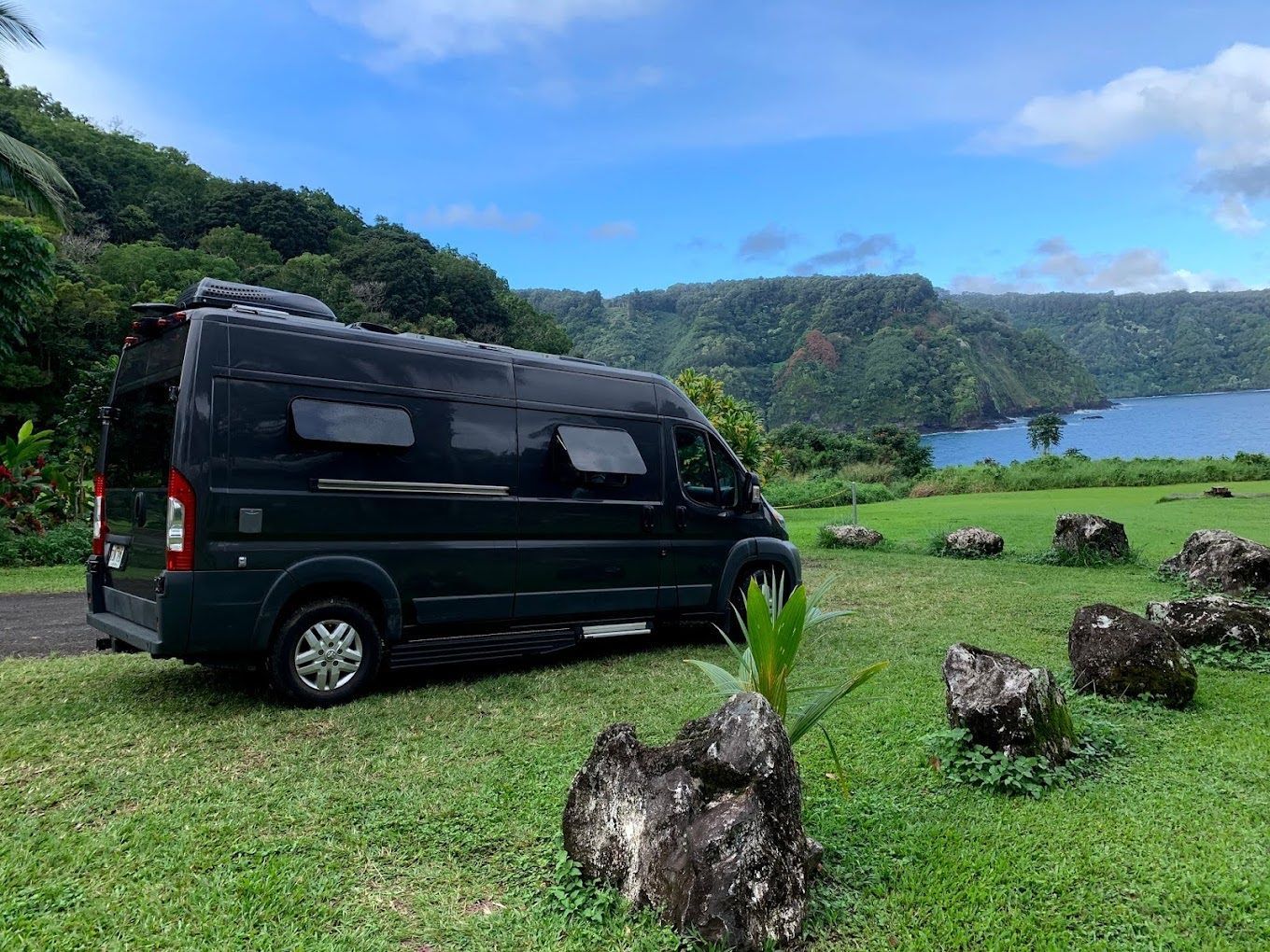
Start your day with a breathtaking sunrise over the Pacific Ocean. With no hotel walls or high-rises blocking your view, you can step out of your van and enjoy Hawaii’s golden morning light with a fresh cup of coffee.
2. Explore Hidden Beaches
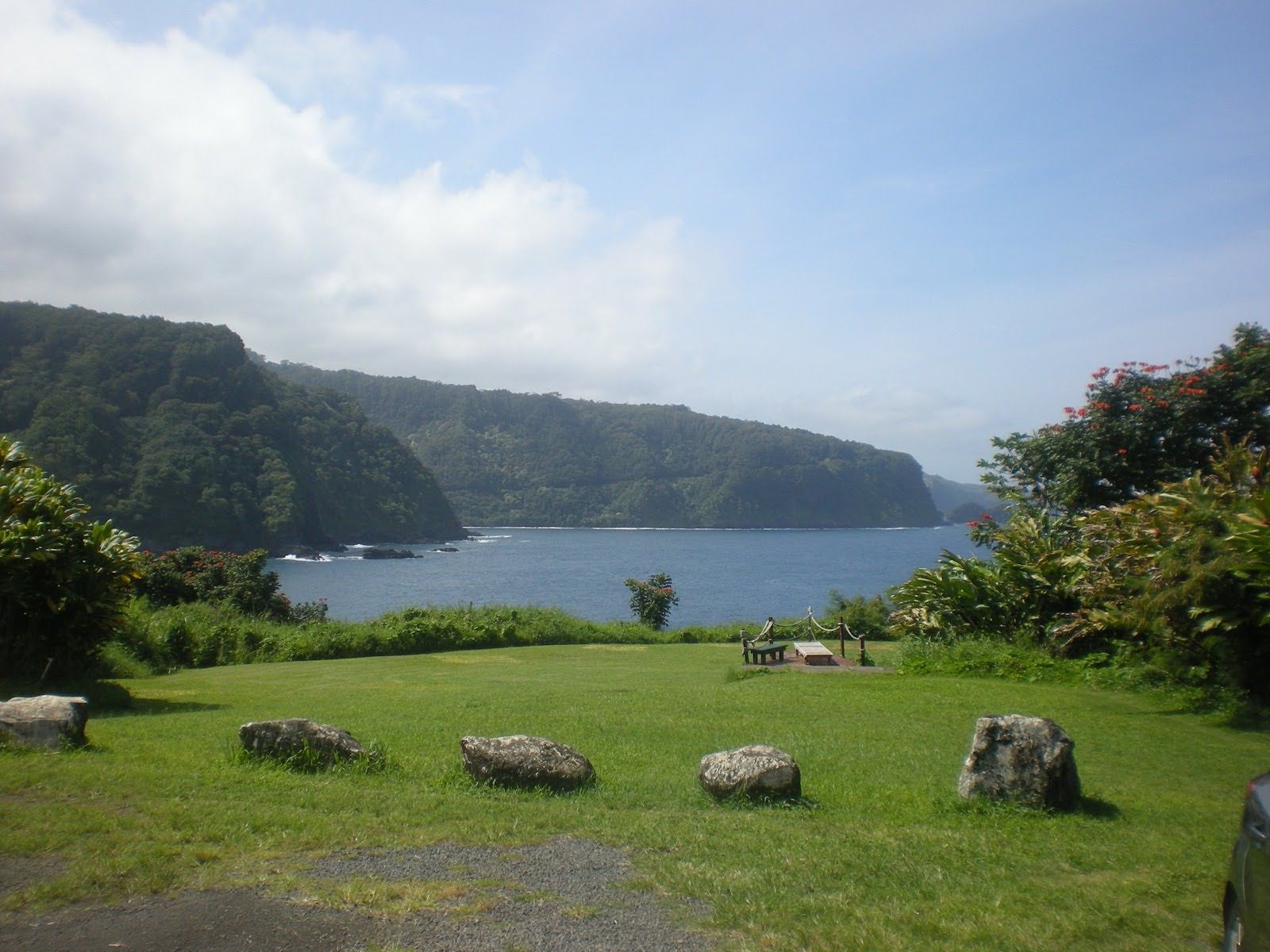
Wahi Na‘nea is close to some of Hawaii’s most pristine, uncrowded beaches. Swim, snorkel, or just relax on the soft sand without the crowds of resort-heavy areas.
3. Go Hiking on Nearby Trails
Lace up your hiking boots and explore scenic trails with ocean views, lush rainforests, and volcanic landscapes. Many trails near Wahi Na‘nea lead to waterfalls, lava formations, and unique wildlife.
4. Stargaze Without Light Pollution
One of the best parts of camping at Wahi Na‘nea is the unobstructed night sky. Away from city lights, you can see the Milky Way, constellations, and even shooting stars right from your campsite.
5. Enjoy Fresh, Local Food
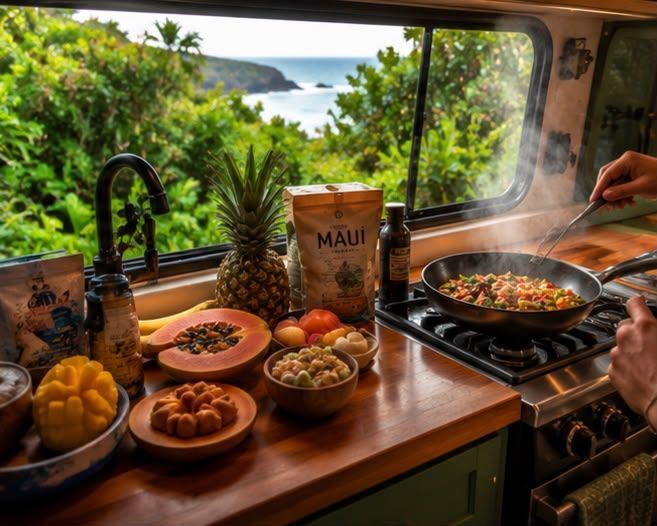
Skip the overpriced hotel buffets and experience Hawaii’s best farm-to-table food. Visit local farmers’ markets, food trucks, and roadside fruit stands to enjoy fresh papaya, pineapple, and locally caught seafood.
6. Experience the Local Culture
Many small towns near Wahi Na‘nea offer traditional Hawaiian music, hula performances, and artisan markets. Renting a camper van gives you the flexibility to explore and support local businesses along the way.
With so much to do right outside your van door, Wahi Na‘nea offers an unforgettable, eco-friendly way to experience Hawaii. And with a few small changes, you can make your trip even greener—here’s how.
How to Make Your Camper Van Trip Even More Eco-Friendly
Renting a camper van at Wahi Na‘nea is already a better environmental choice, but small actions can make it even greener.
Pack Smart
A little planning can cut down on waste.
- Bring a reusable water bottle instead of buying a plastic one. You can refill it for free in many places.
- Use reusable shopping bags when buying groceries. Plastic bags often end up in the ocean.
- Choose biodegradable soap and shampoo to avoid polluting the water.
Drive Less, Explore More
The less time you spend driving, the more time you have to enjoy Hawaii.
- Plan your route to avoid extra driving.
- Stay in one place longer instead of moving every night.
- Pick nature-friendly activities like hiking, swimming, or visiting local farms instead of fuel-powered tours.
Create Less Trash
Simple swaps can make a big difference.
- Bring a reusable coffee mug for your morning coffee.
- Cook meals in your van with fresh, local food instead of buying takeout in plastic containers.
- If you need disposable dishes, choose compostable ones.
Respect Nature
Hawaii’s land and wildlife need to be protected.
- Stay on trails so you don’t damage plants or disturb animals.
- Throw away all trash, even food scraps. A banana peel doesn’t belong in the forest.
- Keep your distance from animals. Feeding them can harm them.
Small choices add up. Travel responsibly, and Hawaii will stay beautiful for years to come.
Frequently Asked Questions
Are Camper Vans Eco-Friendly?
Yes, if used wisely. They use less water, gas, and electricity than hotels, especially with solar power.
What Are the Benefits of a Camper Van?
They cost less than motorhomes, are easier to drive, and offer flexibility for travel.
Can You Use a Camper Van Every Day?
Yes, some people use them as daily vehicles, though they take up more space than a car.
Why Do People Like Van Life?
It’s a cheaper way to live, travel, and explore without rent or a mortgage.
How Long Do Vans Last?
With good maintenance, 10 to 15 years or 150,000 to 300,000 miles.
Why Are Camper Vans So Popular?
They offer affordable travel and housing, especially in expensive areas
Travel Smarter, Leave a Lighter Footprint
Exploring Hawaii shouldn’t come at the cost of harming it. Camper van rentals help reduce waste, save resources, and support local communities. If you’re looking for a greener way to travel, Māna Vans can help. Contact us to start planning your eco-friendly adventure!