Common Issues with Dodge ProMaster Conversions and How to Address Them
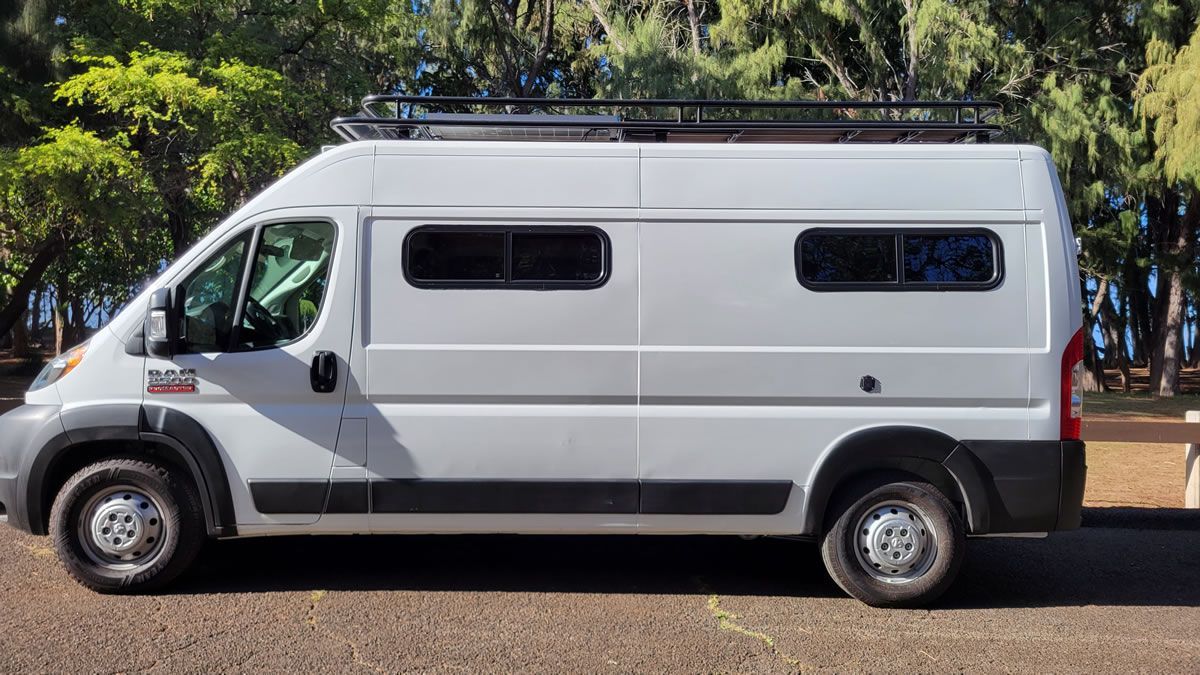
Turning a Dodge ProMaster into your dream camper is an exciting project, but it comes with its challenges. From uneven floors to tricky wiring, each step presents unique hurdles. This guide explores the most common issues you might face during a ProMaster conversion and offers straightforward solutions to help you create a reliable and functional camper.
It doesn’t matter if this is your first build or you have experience—these practical tips will keep your conversion on track and ready for the road.
1. Addressing Uneven Floors and Walls in Camper Conversions
When converting a Dodge ProMaster into a campervan, uneven floors and walls can be challenging. The van's structure isn’t built for beds or cabinets, so leveling is the solution.
What Works Best:
- Use marine-grade plywood for the floor—it’s strong, resists water, and handles bumps well.
- Pre-leveled subflooring is another great option if you want a quicker fix.
- For the walls, lightweight foam panels or steel reinforcements are ideal. They’re sturdy enough for cabinets and won’t add too much weight to your van.
2. Reinforcing Your Roof for Camper Accessories
Planning to add solar panels or a roof rack to your Dodge ProMaster? The factory roof might not handle the extra weight without some tweaks.
Here’s the Fix:
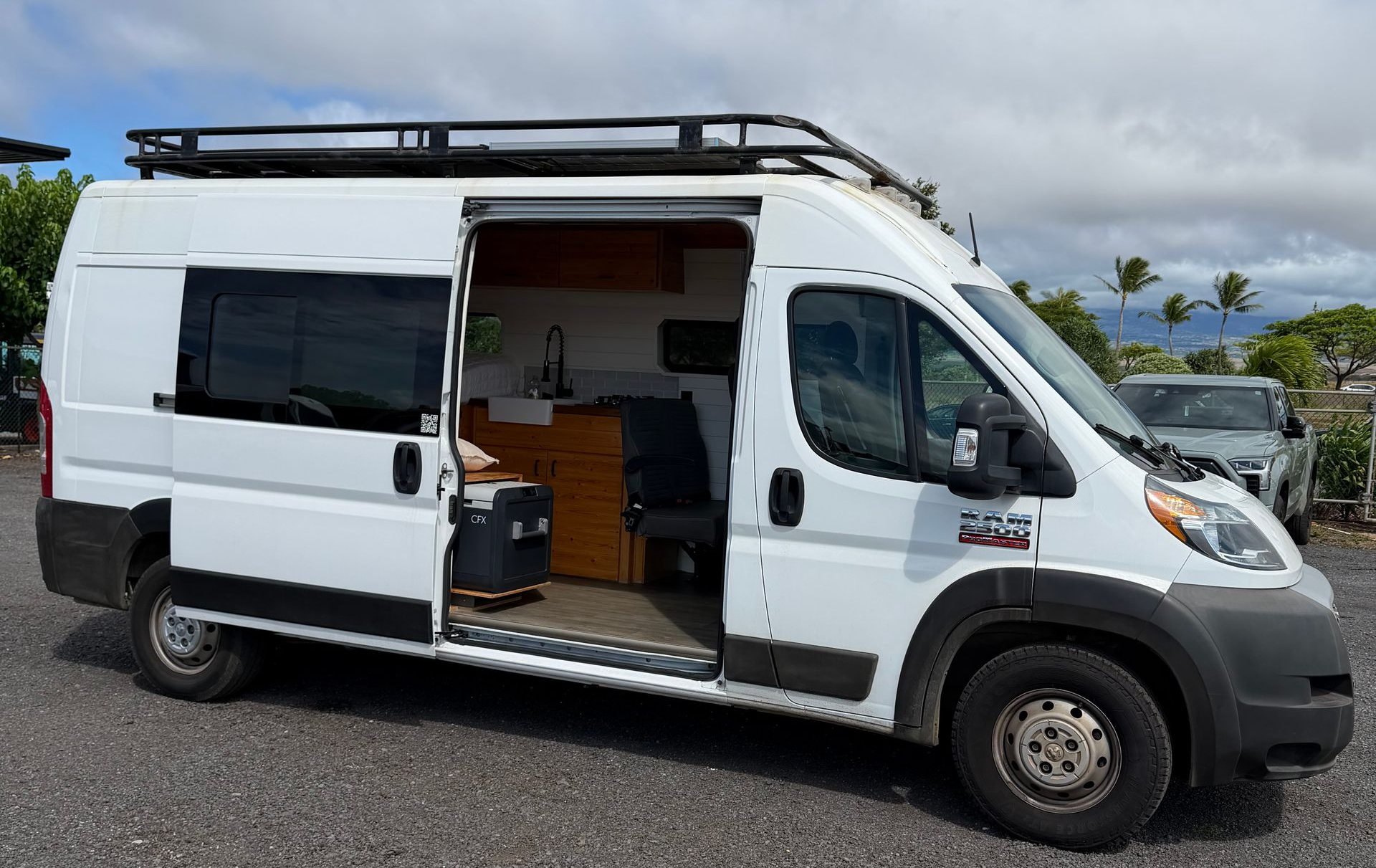
- Add reinforced brackets or supports during the build to strengthen the roof.
- These upgrades help distribute the weight of solar panels, roof racks, or even cargo boxes so your van stays safe and steady on the road.
3. Headroom Solutions for Comfortable Camper Conversions
Headroom can be tight in some Dodge ProMaster models, especially if you’re taller. Constantly crouching or bumping your head isn’t ideal when you’re trying to enjoy your campervan.
The Solution:
- You can fix this by customizing the roof to add more height. A raised roof gives you the space you need to stand up and move around comfortably.
- If raising the roof isn’t an option, go for low-profile furniture like slim bed frames or compact cabinets. These can free up vertical space and make the interior feel more open.
4. Upgrade Your Battery for More Power
The battery that comes with a Dodge ProMaster often isn’t enough if you’re planning to go off-grid. Things like running lights, a sink pump, or a refrigerator can drain it quickly.
Here’s What You Can Do:
- Add deep-cycle batteries or a lithium-ion system to boost your power. These options last longer and can handle more usage.
- For extra backup, install solar panels to keep your batteries charged while you’re parked.
5. Handling Complicated Wiring
Adding new electrical systems to a Dodge ProMaster can be challenging. The factory wiring wasn’t made to handle extra features like appliances or lights, which can lead to issues.
What You Can Do:
- Use wiring diagrams to map out your connections. These make it easier to see how everything works together.
- Adding isolators is also a good idea—they help protect the van’s original wiring from getting overloaded or damaged.
6. Upgrading Insulation for Year-Round Camper Comfort
The insulation in a Dodge ProMaster isn’t enough to handle hot or cold weather. Without upgrades, your campervan can get too warm in the summer or too chilly in the winter.
What You Can Do:
- Add spray foam or Thinsulate to improve temperature control. These materials work well to keep heat out in the summer and hold it in during colder months.
- They’re also light, so they won’t weigh down your van.
7. Stay Comfortable with Better Heating and Cooling
Managing extreme temperatures in your Dodge ProMaster can be tough, especially without draining the battery. Hot days and chilly nights can quickly make your van feel less like home.
Here’s What to Do:
- Add a rooftop air conditioning to keep things cool in the summer.
- For colder months, a diesel heater is a great choice—it’s energy-efficient and easy to use.
8. Balancing Weight for Better Handling
Packing a Dodge ProMaster unevenly can cause big problems. Overloading one side of the van makes it harder to drive and puts stress on the suspension.
How to Fix It:
- Plan the layout carefully to spread the weight evenly during the build.
- Place heavier items, like your refrigerator or water tank, on opposite sides to balance things out.
9. Preventing Suspension Problems
The standard suspension on a Dodge ProMaster isn’t made for the extra weight of a fully equipped campervan. Carrying too much weight can lead to poor handling and long-term damage.
How to Fix It:
- Switch to heavy-duty springs or install airbag systems to handle the added load.
- These upgrades provide better support and help your van drive more smoothly and safely.
10. Clever Water Tank Solutions for Your Dodge ProMaster
Finding space for a water tank in your Dodge ProMaster conversion can be tricky. With limited room and access challenges, it’s easy to feel stuck.
Here’s a Simple Fix:
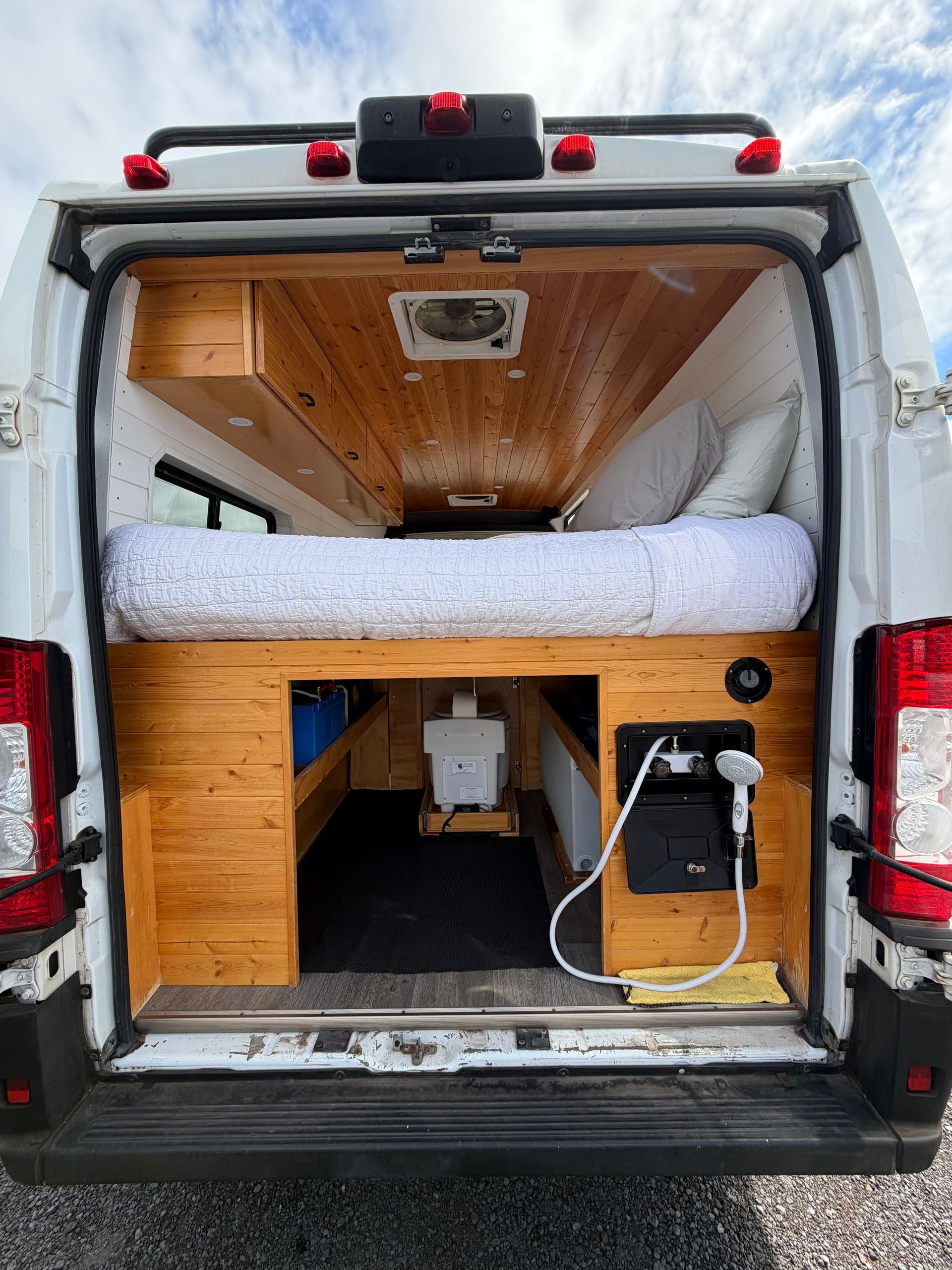
- Install the tank outside or go for a compact design inside. Many people place tanks under the van, freeing up valuable interior space.
- If you prefer keeping the tank inside, try tucking it under your bed or along the walls. Just make sure it’s easy to reach for refills and repairs.
11. Stop Your Water System from Freezing in Cold Weather
Freezing pipes and tanks can cause major headaches when you’re using your Dodge ProMaster in colder climates. It’s a common issue, but luckily, there are easy ways to prevent it.
Here’s the Fix:
- Install heated pipes or tank wraps to keep everything from freezing.
- Another option is using an antifreeze system to protect your water setup in icy conditions. Both solutions work well to keep water flowing smoothly, no matter the temperature.
12. Brighten Up Your Dodge ProMaster with Better Lighting
If your Dodge ProMaster feels too dark to work or relax comfortably, it’s probably time to rethink the lighting setup. Poor lighting can make even the best conversion feel less functional.
Here’s How to Fix It:
- Install LED strip lights for a warm, even glow, or add overhead fixtures for stronger, focused lighting.
- These can easily run off your van’s auxiliary power, so you won’t drain your main battery.
13. Maximize Storage Space in Your Dodge ProMaster
A cluttered Dodge ProMaster can make van life frustrating. When storage isn’t planned well, it’s easy for your space to feel cramped and disorganized.
Here’s How to Fix It:
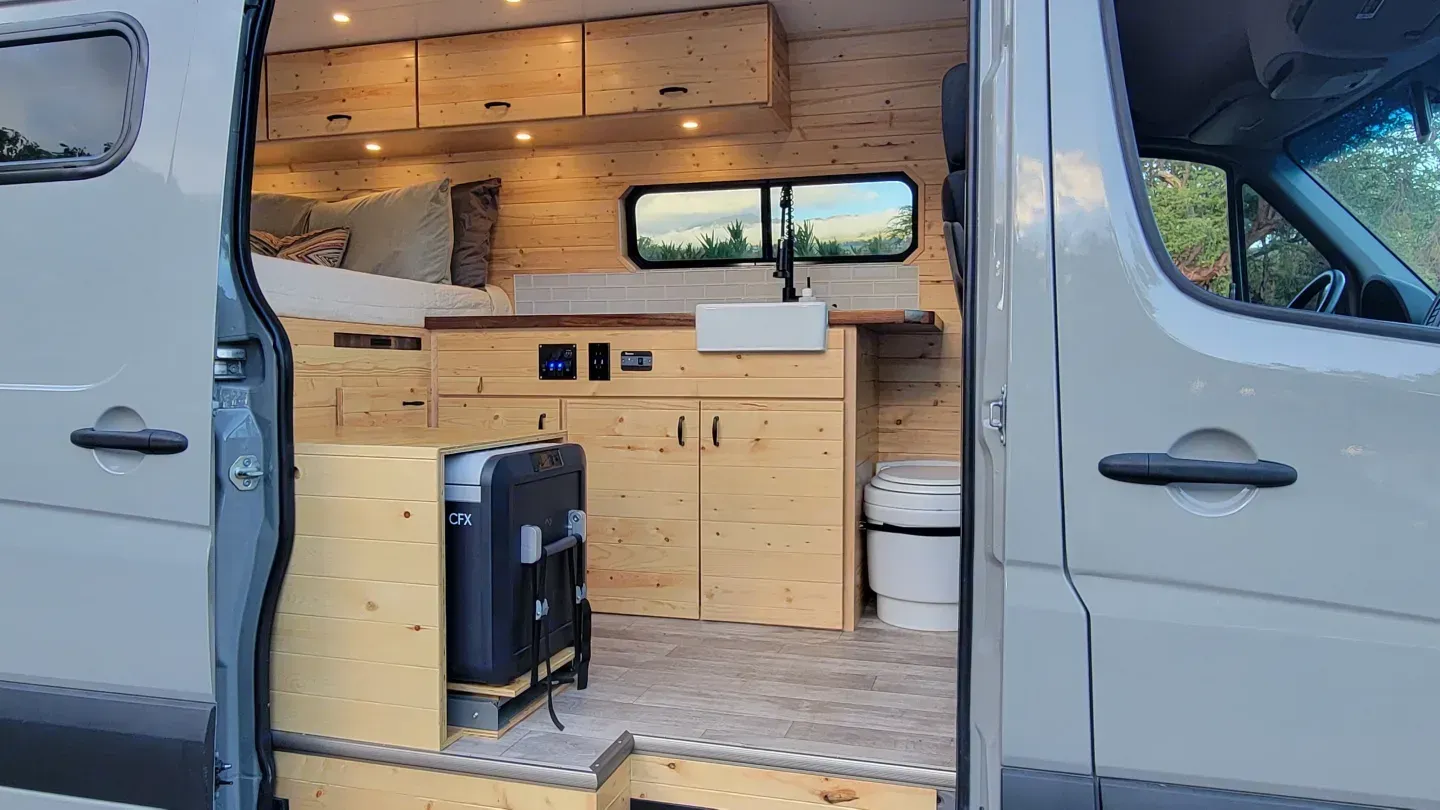
- Use modular storage systems that can be adjusted to fit your needs.
- Also, make the most of vertical space by adding shelves or cabinets on the walls. These changes keep your essentials organized without taking up valuable floor space.
Maintenance Tips for Long-Lasting Camper Conversions
Taking care of your Dodge ProMaster is key to avoiding unexpected breakdowns. A little attention now can save you from big headaches later.
What to Do:
- Keep an eye on your electrical and mechanical systems. Regular checkups help spot issues early, whether it’s your battery, wiring, or engine performance.
- Check tire wear and load limits. Make sure your tires are in good shape and can handle the weight of your van and cargo. It’s all about safety and a smoother ride.
- Inspect insulation and water systems. Look for signs of wear, leaks, or damage. Catching problems early keeps your van comfortable and hassle-free.
Mechanical Issues to Watch For in Dodge ProMaster Conversions
While converting a Dodge ProMaster, it's important to keep an eye on mechanical issues that could interfere with your build or travels.
Coolant Leaks:
- Coolant leaks can lead to overheating, which may damage the engine. Check for leaks near the radiator, hoses, or under the van after long drives.
- Regularly inspect and top off the coolant. Replace worn hoses as needed to prevent leaks.
Transmission Issues:
- ProMasters are known to experience transmission problems over time, especially when carrying heavy loads.
- Address shifting delays or strange noises early by consulting a mechanic. Regular transmission fluid changes can also help prolong its life.
Headlight Bulb Failures:
- Frequent headlight bulb replacements can be frustrating. Consider upgrading to longer-lasting LED or high-performance halogen bulbs.
- Check electrical connections for corrosion or loose wiring if failures persist.
Tire Pressure Sensor Problems:
- The tire pressure monitoring system (TPMS) can sometimes malfunction, giving false alerts.
- Ensure sensors are calibrated and batteries are functioning. If problems persist, replacing faulty sensors is a good solution.
Sliding Door Handle Failures:
- Sliding door handles may wear out or become misaligned, making them hard to open or close.
- Lubricate door tracks and hinges regularly. Replace handles or adjust tracks if issues arise.
-
By addressing these mechanical concerns early, your ProMaster conversion will remain reliable and ready for adventures.
Frequently Asked Questions
Are Dodge ProMaster vans diesel?
The Dodge ProMaster can have a diesel engine, but not all of them are diesel. Some models use gas engines. If you're looking for a diesel, check the specific model or ask the seller to confirm.
How many miles can a Dodge ProMaster last?
A Dodge ProMaster can last 150,000 to 200,000 miles with regular care. Doing oil changes, checking the brakes, and keeping up with maintenance will help it last longer.
Are Dodge ProMaster vans any good?
Yes, Dodge ProMaster vans are good for many people. They have a lot of space, are easy to drive, and work well for businesses or campers. Some people don’t like the front-wheel drive or say the interior could be nicer, but overall, they’re reliable and get the job done.
Is Dodge Promaster Reliable?
The 2022 RAM ProMaster and Ford Transit both have reliability ratings of around 3.7 out of 5. However, the ProMaster is a favorite among many, especially those in the van life community, for its practicality and dependable performance.
Ready to Hit the Road in Style?
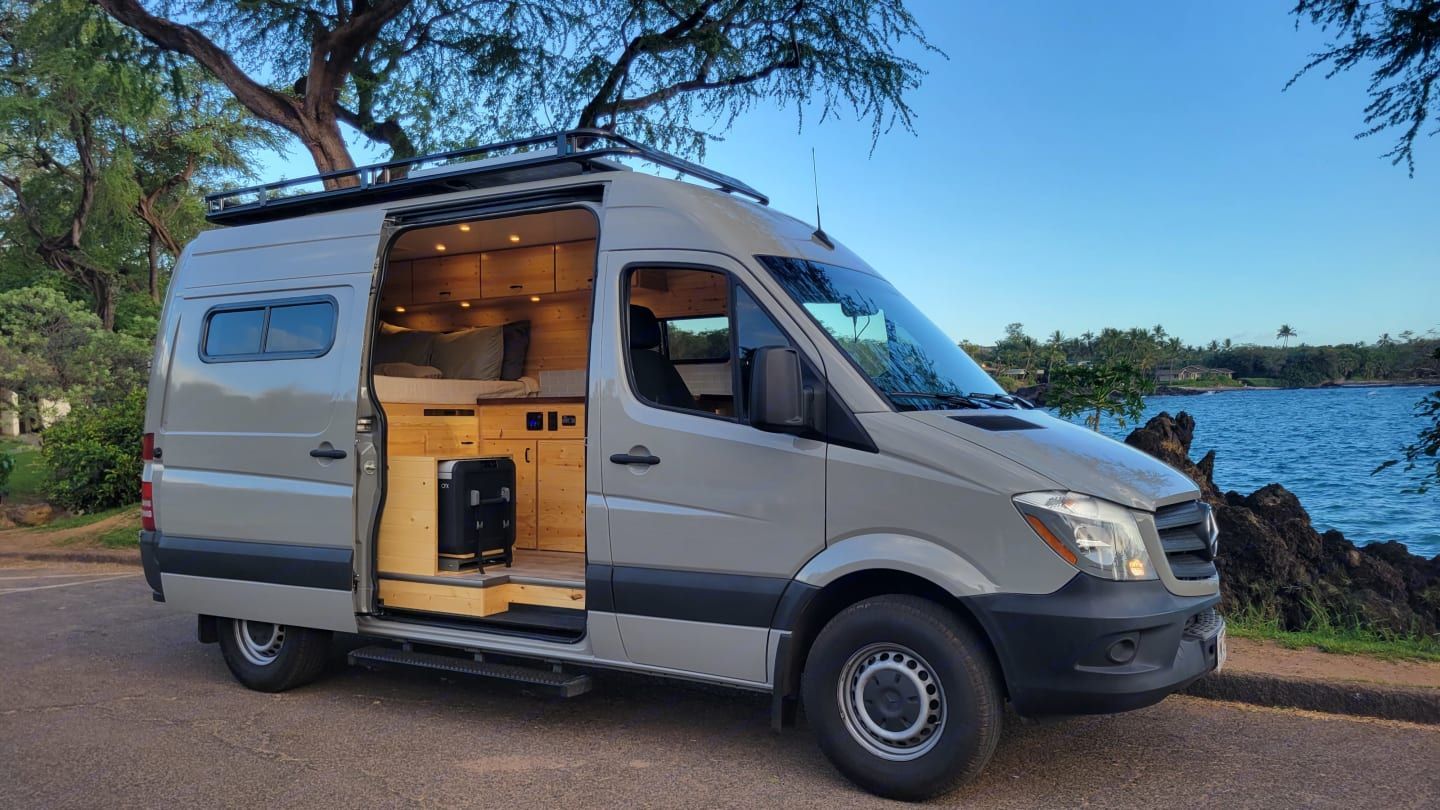
Transforming a Dodge ProMaster into a campervan is an exciting journey, but if you’re ready to skip the work and experience the luxury of the open road, Mana Vans Hawaii is here for you.
Our luxury camper vans are thoughtfully designed for comfort and convenience, ensuring your Maui adventure is truly unforgettable. From weekend escapes to longer trips, we’ll help you create incredible memories.
Call us at 808-992-6262 or send us a message today to start your island adventure!