RV Camper Rental Tips for Hassle-Free Adventures
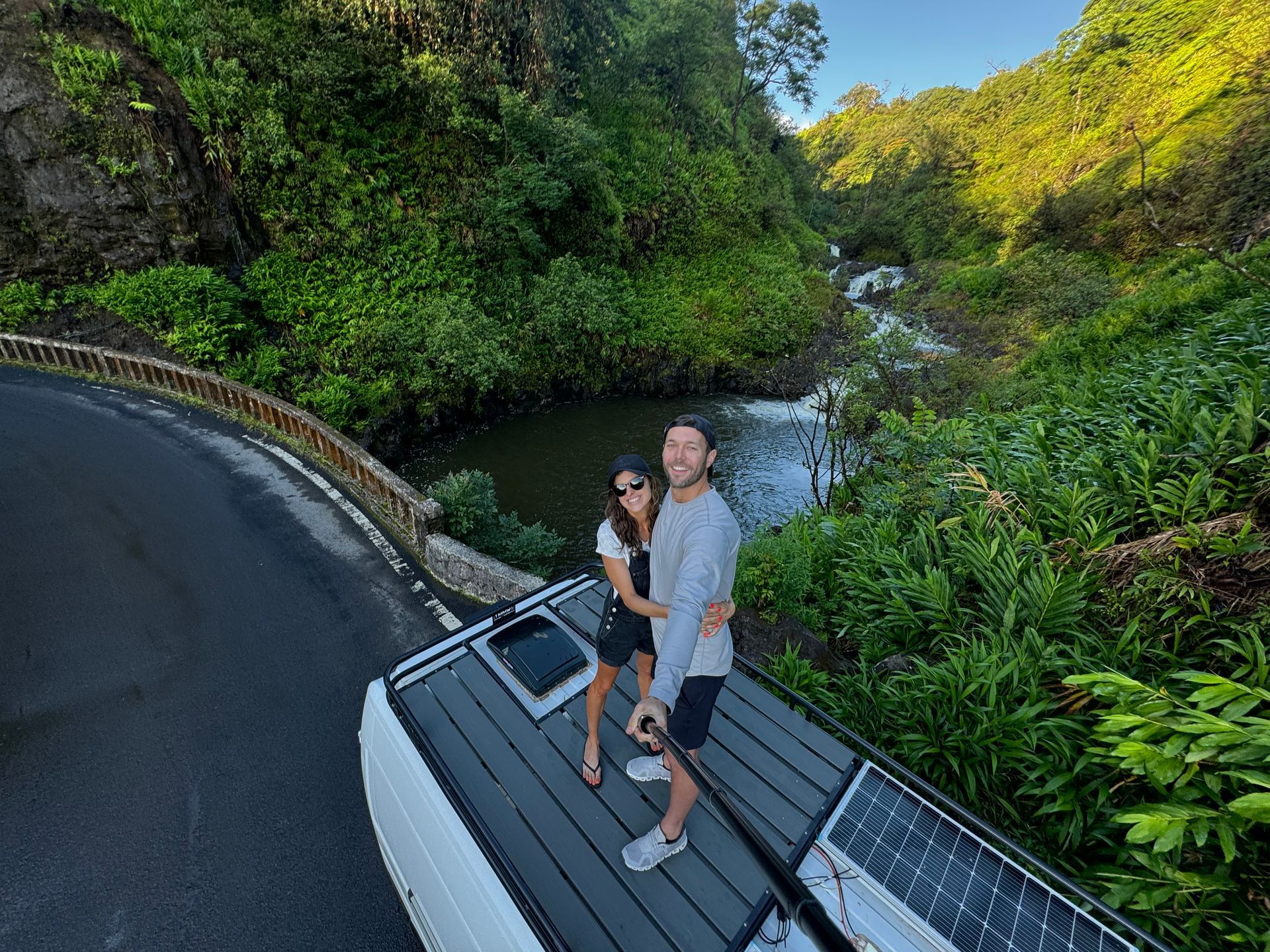
Dreaming of an epic road trip? Renting an RV opens the door to freedom and adventure, from exploring Maui’s scenic roads to uncovering hidden gems near home.
If you’ve been searching for “rent a RV near me,” this guide is for you. Packed with tips on choosing the right RV, planning your route, and mastering campground life, it has everything you need for a smooth and unforgettable journey.
Choose the Right RV for Your Adventure
Picking the perfect RV starts with understanding your options:
- Class A: Large and luxurious, great for long trips with full kitchens and bathrooms but harder to drive.
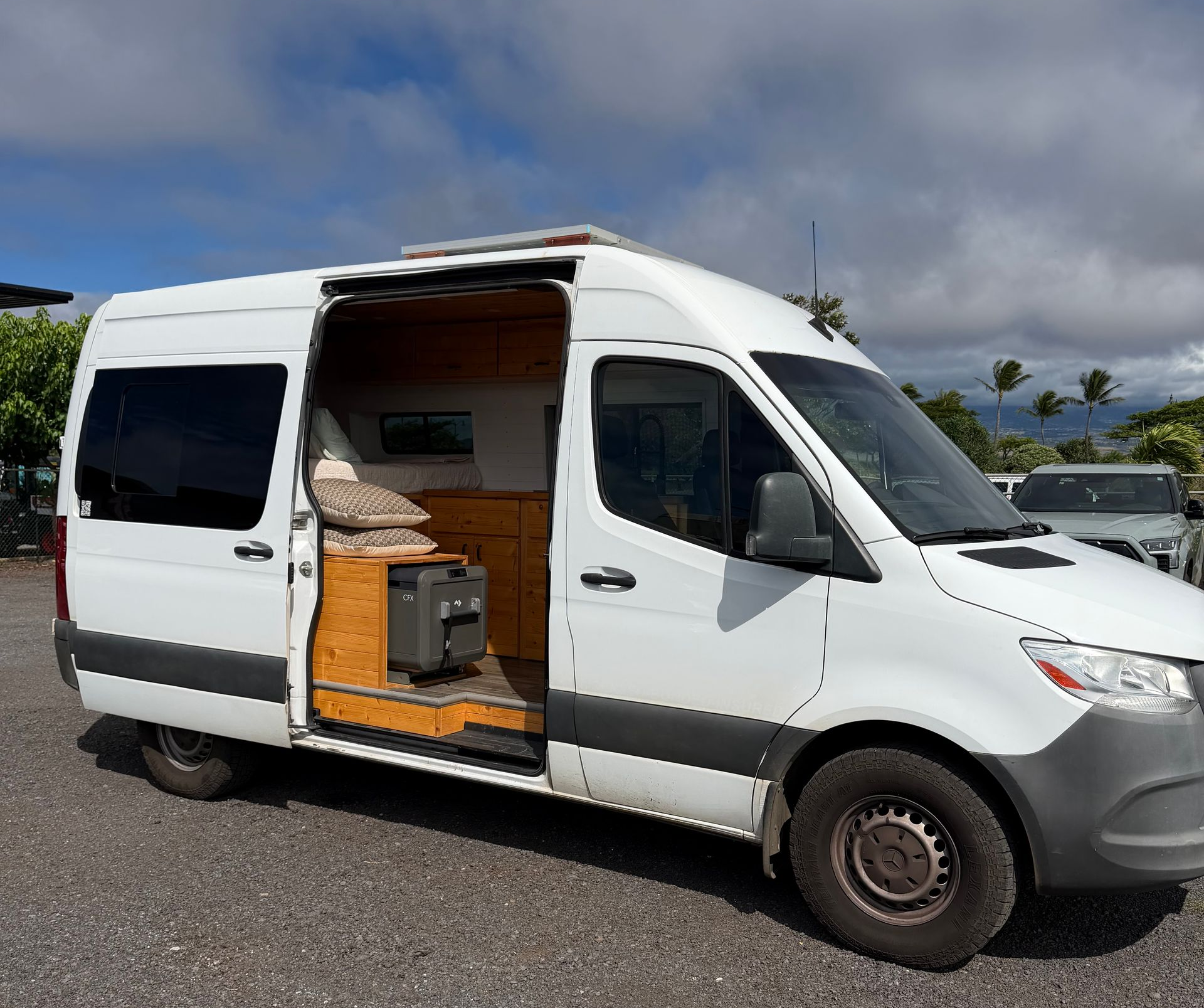
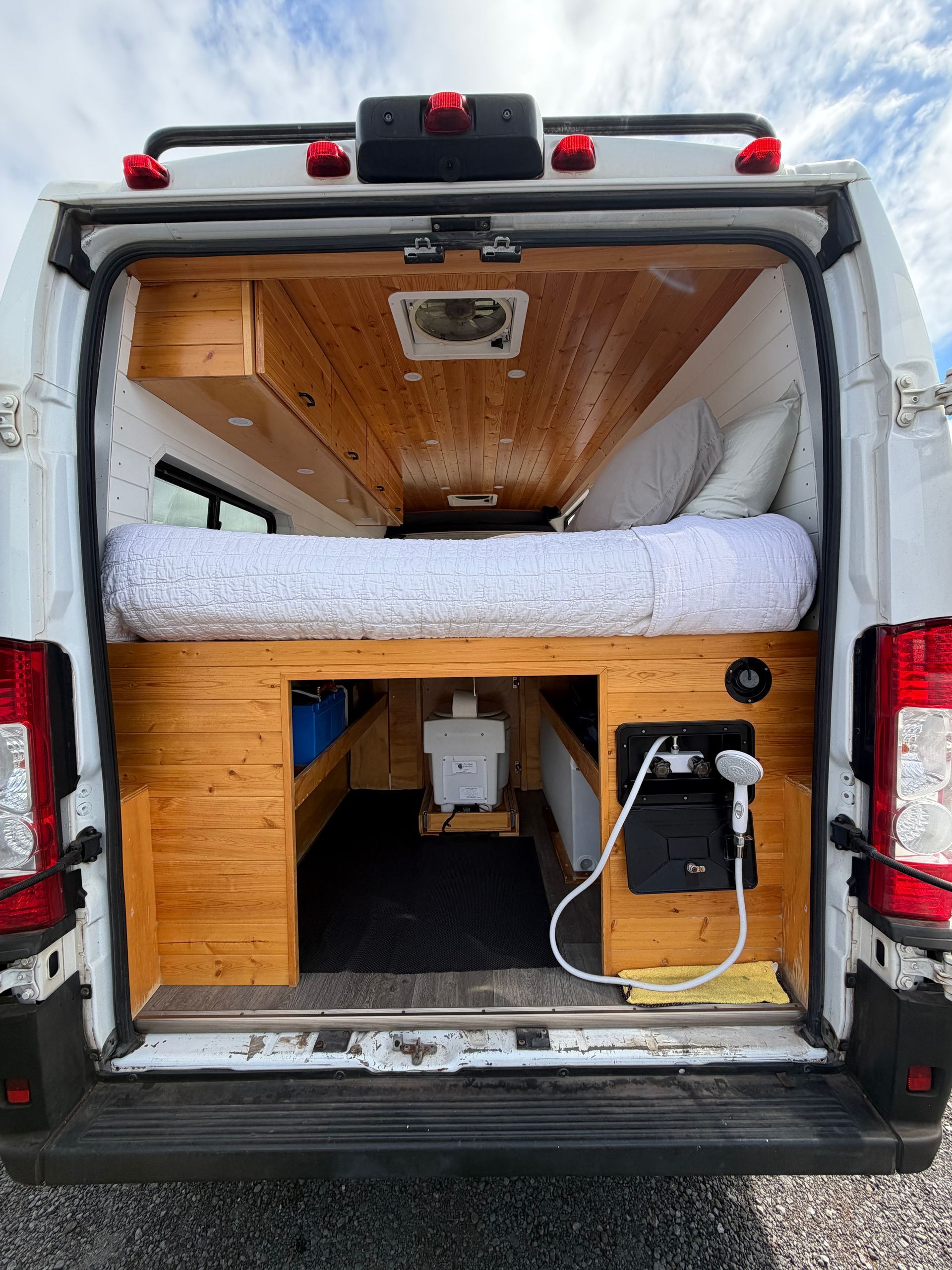
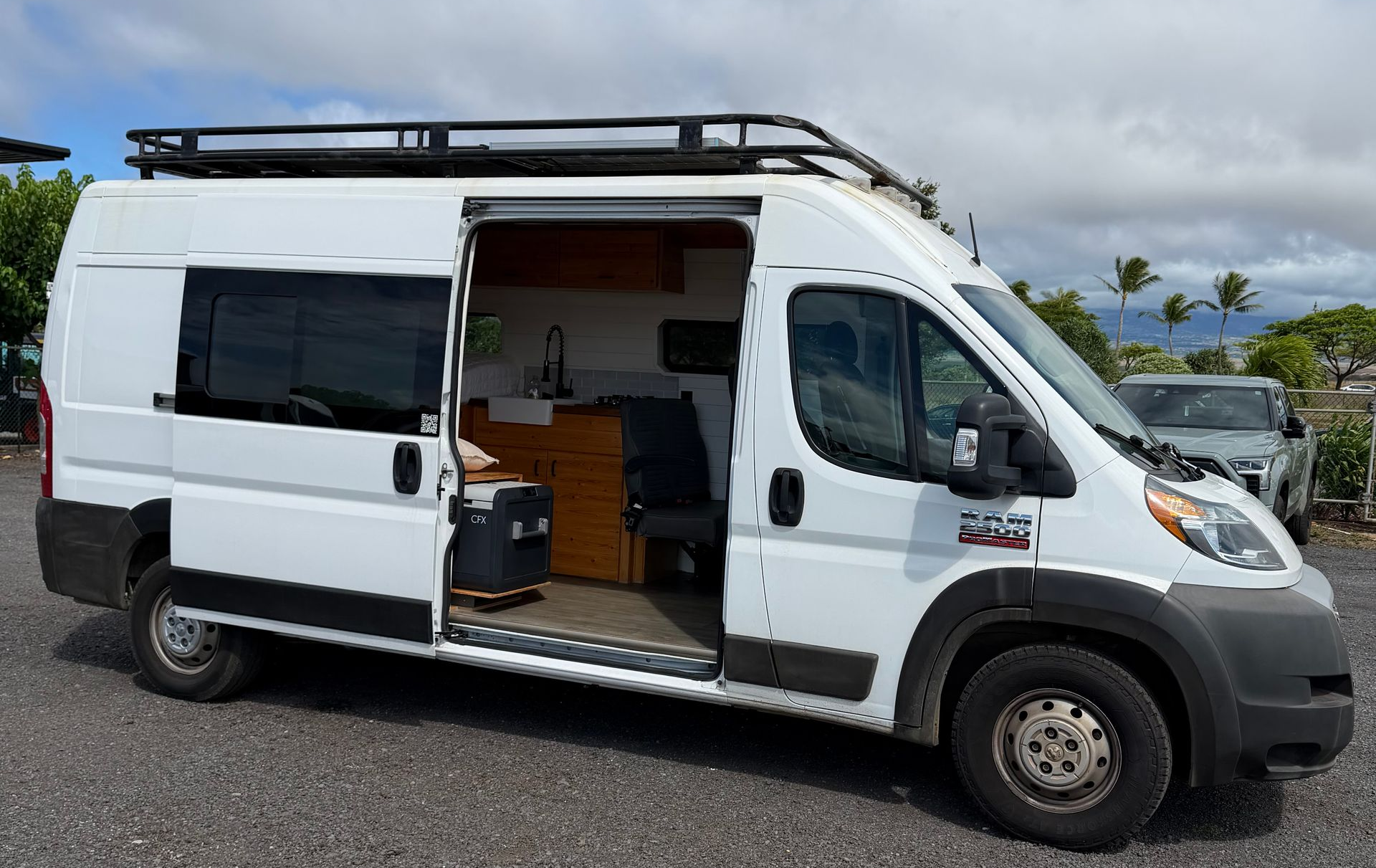
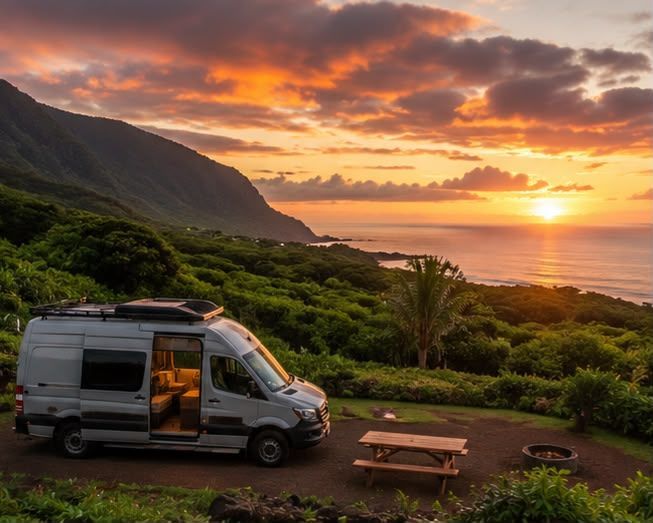
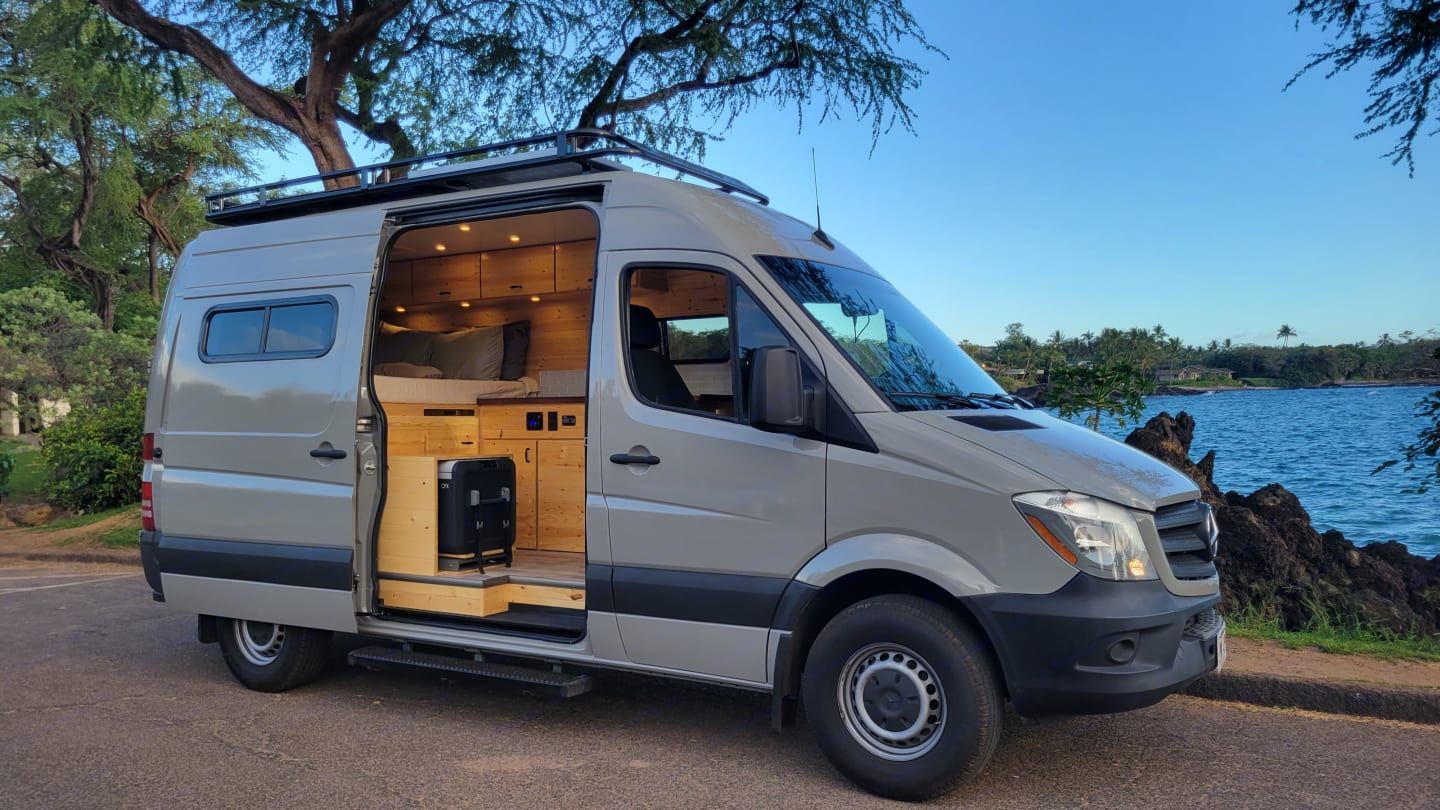
- Class B (Campervans): Compact and easy to handle, ideal for couples or small families on shorter trips.
- Class C: A balanced option with a bed over the cab, a small kitchen, and a bathroom—perfect for family road trips.
- Travel Trailers & Fifth Wheels: Towed by trucks, these offer flexible sizes, from teardrop trailers to spacious options with full amenities.
- Pop-Up Campers: Lightweight and budget-friendly, great for quick camping trips.
Pro Tip: Match your RV to your trip. For big groups, choose an RV with more sleeping space like bunk beds. For off-road adventures, go with a smaller campervan or trailer. Always consider your driving comfort and the essentials you’ll need, like a bathroom, air conditioning, or kitchen.
Plan Your Destination Like a Pro
Before you hit the road, take time to plan your trip carefully. Here’s how:
- Check the Weather and Terrain: Knowing the forecast and road conditions is essential. Some areas may be tricky for larger RVs or trailers, so plan accordingly.
- Pick RV-Friendly Spots: Look for campgrounds with hookups, like state or national parks, or resorts that cater to campervans and trailers. These places often have the amenities you need, like propane refills, showers, or even kitchens.
- Explore Local Highlights: Research attractions, unique restaurants, and fun activities at your destination. Whether it’s fishing in Montana, hiking in Colorado, or sightseeing in Los Angeles, knowing what’s nearby adds to the adventure.
A little planning goes a long way to ensure your RV vacation is smooth, safe, and full of memorable experiences.
How to Pick a Trustworthy RV Rental Company
Choosing the right rental company can make or break your RV adventure. Here’s what to look for:
- Compare Options: Popular platforms like Outdoorsy, RVshare, and Cruise America offer a wide range of RVs, from campervans to trailers. Don’t forget to check out local RV rentals nearby—they can sometimes have great deals.
- Check Pricing and Policies: Look for companies with clear pricing and flexible policies so you’re not hit with surprise fees.
- Read Reviews: Customer feedback can give you insights into the company’s reliability and the quality of their RVs.
- Verify Insurance and Support: Ensure the company offers insurance coverage and 24/7 roadside assistance to keep you covered on the road.
By taking these steps, you’ll find a dependable RV rental that suits your budget and trip needs.
Plan a Budget That Works for Your Trip
Budgeting for your RV adventure doesn’t have to be stressful. Here’s how to keep your expenses under control:
- Cover the Basics: Include the big items like the RV rental price, insurance, fuel, food, and campground fees. Don’t forget to budget for fun activities along the way.
- Watch for Extra Costs: Be prepared for things like cleaning fees, mileage overages, or generator use, as these can add up quickly.
- Save on Fuel: Use apps like GasBuddy to find the best fuel prices near you and avoid surprises at the pump.
A realistic budget will help you enjoy your trip without worrying about unexpected expenses.
Map Out Your Route Ahead of Time
Planning your route before you hit the road is key to a smooth RV adventure. Here’s how you can do it:
- Use RV-Friendly Planning Tools: Apps like RV Trip Wizard or Roadtrippers can help you create a route tailored for your recreational vehicle.
- Plan Your Stops: Mark fuel stations, rest areas, and RV parks or campsites along the way to avoid last-minute stress.
- Avoid Trouble Spots: Steer clear of routes with low bridges, sharp turns, or weight restrictions, especially if you’re towing a trailer or driving a large campervan.
By planning ahead, you’ll save time, avoid headaches, and make the most of your road trip.
Find the Best Spots to Stop and Park
Knowing where to park and rest is crucial for a hassle-free RV trip. Here’s how you can plan your stops:
- Look for RV-Friendly Campgrounds: Search for campsites that welcome RVs and offer essential amenities like hookups or bathroom facilities.
- Use Helpful Apps: Apps like AllStays and Campendium make it easy to find free or budget-friendly overnight parking options.
- Follow the Rules: Always respect local parking laws and avoid parking on private property unless you have permission.
With a bit of preparation, you can find safe, convenient places to park and enjoy your adventure without any surprises.
Pack Like a Pro for Your RV Adventure
Packing smartly is key to making your trip comfortable and fun. Here’s what you’ll need:
- Essentials First: Bring extra tents, bedding, kitchen items, and stock toiletries and clothes suited for the weather. Layers are always a good idea for unpredictable conditions.
- RV-Specific Gear: Don’t forget important items like water hoses, leveling blocks, power adapters, and a basic toolkit. These will keep your RV running smoothly at any campsite.
- Fun and Entertainment: Pack your favorite books, games, toys if you have kids, or outdoor gear like bikes and kayaks to make downtime more enjoyable.
Being organized with what you pack means less stress and more time to enjoy your road trip, whether you’re camping in Colorado or exploring Salt Lake City.
Learn the Basics of RV Operations
Getting comfortable with your RV’s systems is essential for a smooth trip. Here’s how to get started:
- Attend an Orientation: Most rental companies, like RVshare or local camper rentals, provide a walkthrough. Take this time to learn about hookups, tanks, and the electrical system.
- Practice Driving and Parking: If you’re new to RVs, take a little time to get the hang of maneuvering and parking your vehicle, especially if it’s a large trailer or motorhome
- Understand Essential Systems: Learn how to manage water tanks, propane, and waste disposal, so you’re prepared at any campsite.
Knowing how your RV works gives you confidence and makes your adventure more enjoyable, whether you’re heading to Utah, California, or beyond!
Why You Should Stay at State or National Parks
State and national parks are fantastic spots for RV travelers. Here’s why they’re worth it:
- Affordable and Scenic: These parks offer stunning natural beauty at a budget-friendly price, making them perfect for a relaxing getaway.
- Reserve Early: Campsites fill up quickly, especially in peak seasons, so book ahead to secure your spot.
- Look for RV-Friendly Amenities: Many parks have RV hookups for water, electricity, and waste, adding convenience to your stay.
Staying at a state or national park lets you enjoy nature up close while keeping your trip simple and budget-friendly. Perfect for your next road trip to Arizona, Colorado, or beyond!
Be Flexible and Prepare for the Unexpected
On any RV adventure, things don’t always go as planned, and that’s okay! Here’s how to stay ready:
- Build in Extra Time: Give yourself some wiggle room in your schedule for detours, minor repairs, or a last-minute stop at a scenic spot.
- Have a Backup Plan: Weather can change quickly, or your reserved campsite might get canceled. Have an alternate campground or parking spot in mind.
- Stay Covered with Roadside Assistance: A roadside assistance plan can save the day if you face a breakdown or need help on the road.
Being flexible and prepared means you can roll with surprises and enjoy your trip without stress. Happy RVing!
Be Flexible and Prepare for the Unexpected
Your RV is your home on wheels, but the real adventure is waiting outside. Here’s how you can make the most of your trip:
- Discover Local Gems: Take time to hike nearby trails, kayak on serene lakes, or explore charming towns. There’s so much to see beyond the campsite, especially in scenic areas like Forest River parks.
- Connect with Others: Chat with fellow travelers or locals to get tips on hidden spots and must-visit attractions.
- Capture the Moment: Snap photos of breathtaking views and jot down your experiences in a journal to relive the memories later.
Stepping out of your RV is a great way to create unforgettable moments and truly enjoy the journey. Get out there and explore!
Stay Safe and Connected on the Road
Staying connected and prioritizing safety is essential for a smooth RV adventure. Here’s how you can do it:
- Carry Reliable Maps: Bring a GPS device or download offline maps to avoid getting lost if your cell service drops in remote areas.
- Stay Online with a Hotspot: If you need internet access, invest in a mobile hotspot to stay connected wherever you travel.
- Share Your Plans: Let family or friends know your route and itinerary so they can check in and ensure you’re safe.
These simple steps will give you peace of mind and help you stay on track while exploring the open road!
Keep Nature Beautiful: Leave No Trace
Part of the RV adventure is enjoying the beauty of nature, and it’s up to all of us to protect it. Here’s how you can do your part:
- Respect Campground Rules: Always clean up after yourself and leave your campsite as clean as (or cleaner than) you found it.
- Dispose of Waste Properly: Make sure to empty gray and black water tanks at designated dump stations to avoid harming the environment.
- Travel Eco-Friendly: Conserve water, limit how much you use your generator, and recycle whenever you can.
By following these simple steps, you’ll help preserve the outdoors for everyone to enjoy while making your RV trip even more rewarding.
Inspect and Return the RV in Great Shape
Wrapping up your RV trip the right way is just as important as starting it. Here’s what to do before handing back the keys:
- Give It a Good Clean: Thoroughly clean the RV, including the kitchen, bathroom, and sleeping areas, to avoid extra fees from the rental company.
- Check for Damage: Inspect the vehicle for any scratches, dents, or other issues, and report them immediately to avoid misunderstandings.
- Leave a Helpful Review: Share your rental experience online. It’s a great way to help other travelers find the right RV and give feedback to the company.
Taking care of these steps ensures a smooth return process and keeps you in good standing with the rental company for your next adventure!
Master the Art of Towing for a Safer Trip
Towing a trailer or fifth wheel doesn’t have to be intimidating. Here’s how you can prepare:
- Practice Makes Perfect: If you’re new to towing, take some time to practice driving, parking, and maneuvering before hitting the road. This is especially important for those renting from rv and camper rentals or using a small RV trailer for rent.
- Check Your Vehicle’s Capacity: Make sure your pickup truck or towing vehicle can safely handle the weight of the trailer. Overloading can be dangerous and cause unnecessary stress.
- Secure the Connection: Learn how to attach and detach the trailer properly. A secure connection keeps everyone safe and prevents accidents.
With these tips, you’ll feel confident towing your rental, whether you’re exploring parks or hitting the open road with RVs for rent.
Maximize Comfort by Optimizing Your RV’s Space
Making your motorhome or campervan feel organized and comfortable is key to an enjoyable trip. Here’s how:
- Smart Packing Tips: Use collapsible kitchen tools and vacuum-sealed bags for clothing to save space. These are especially handy if you opt for a campervan rental or hire a campervan for a compact adventure.
- Keep Essentials Handy: Organize your storage so everyday items like toiletries, cooking supplies, and maps are within easy reach.
- Enhance Your Setup: If you rent a motorhome, consider upgrades like a Murphy bed to free up space or portable fans to keep cool on warm nights.
These tips will make your journey smoother, whether you’re camping at a forest resort or exploring cityscapes in a campervan.
Understand the Cost of RV Insurance
Before you hit the road in your recreational vehicle, make sure you’re covered. Here’s what you need to know:
- What’s Included: Rental insurance typically covers basic protection for your RV, but it’s important to double-check what’s included.
- Optional Add-Ons: Consider extras like roadside assistance or liability coverage for added peace of mind, especially if you’re renting from local motorhome rentals or trying out small motorhomes for rent.
Pro Tip: Check with your auto insurance provider or credit card company. Some policies or cards might already include coverage for RV rentals, which can save you money.
Taking the time to understand your insurance options ensures a stress-free and secure journey!
Enjoy the Perks of Off-Season RV Travel
Traveling in the off-season can make your RV adventure more enjoyable and affordable. Here’s how to make the most of it:
- Save on Rentals and Campsites: Off-season trips often mean lower prices on local motorhome rentals, small motorhomes for rent, or even a camping trailer rental, along with quieter parks and campsites.
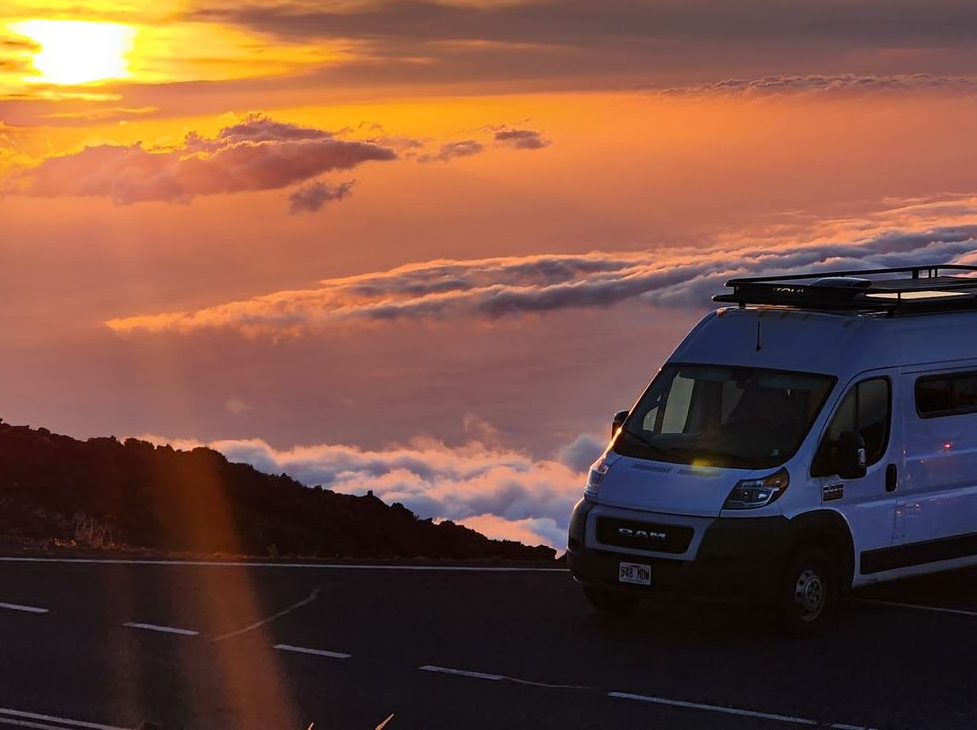
- Head to Maui: Maui is a fantastic destination year-round. Traveling in the off-season means fewer crowds, giving you more space to explore the island’s beauty.
- Discover Hidden Gems: With fewer travelers around, it’s easier to find unique, off-the-beaten-path experiences that make your trip unforgettable.
An off-season trip to Maui in your recreational vehicle is the perfect way to relax, save money, and enjoy breathtaking views!
Embark on Your Maui Adventure in Style with Mana Vans Hawaii
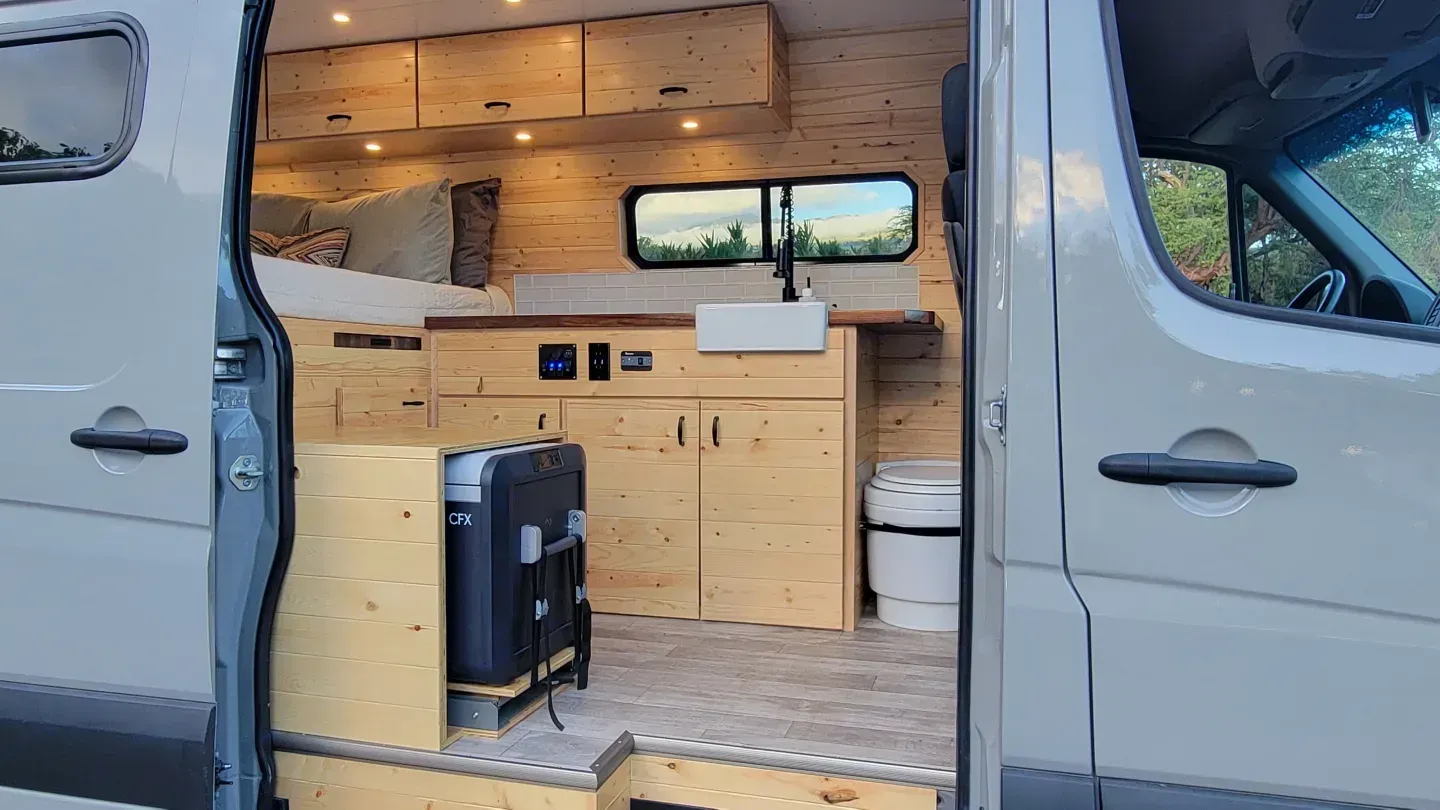
Your RV adventure is waiting, and now you have all the tips to make it smooth and unforgettable. If Maui is on your bucket list, transform your experience with a luxury camper van from Mana Vans, Hawaii. Our fully equipped camper vans come with everything you need for a stress-free and comfortable trip. With convenient pickup and drop-off options, you’ll spend less time worrying about logistics and more time enjoying Maui’s breathtaking views.
Don’t wait—start planning your dream Maui getaway today! Call
808-992-6262 to book your camper van and get ready to explore paradise in style.