Camping in Wai‘anapanapa: Van Life vs. Traditional Tents

Waiʻanapanapa State Park on Maui’s east side is one of Hawaii’s most iconic camping spots. Famous for its black sand beach, lava tubes, sea arches, and crashing waves, it’s a destination worth waking up to.


But when planning your trip, there’s one key question: Should you camp in a van or use a tent? 


This post breaks down the pros and cons of both, with tips to help you enjoy your stay and keep things simple, safe, and sustainable.
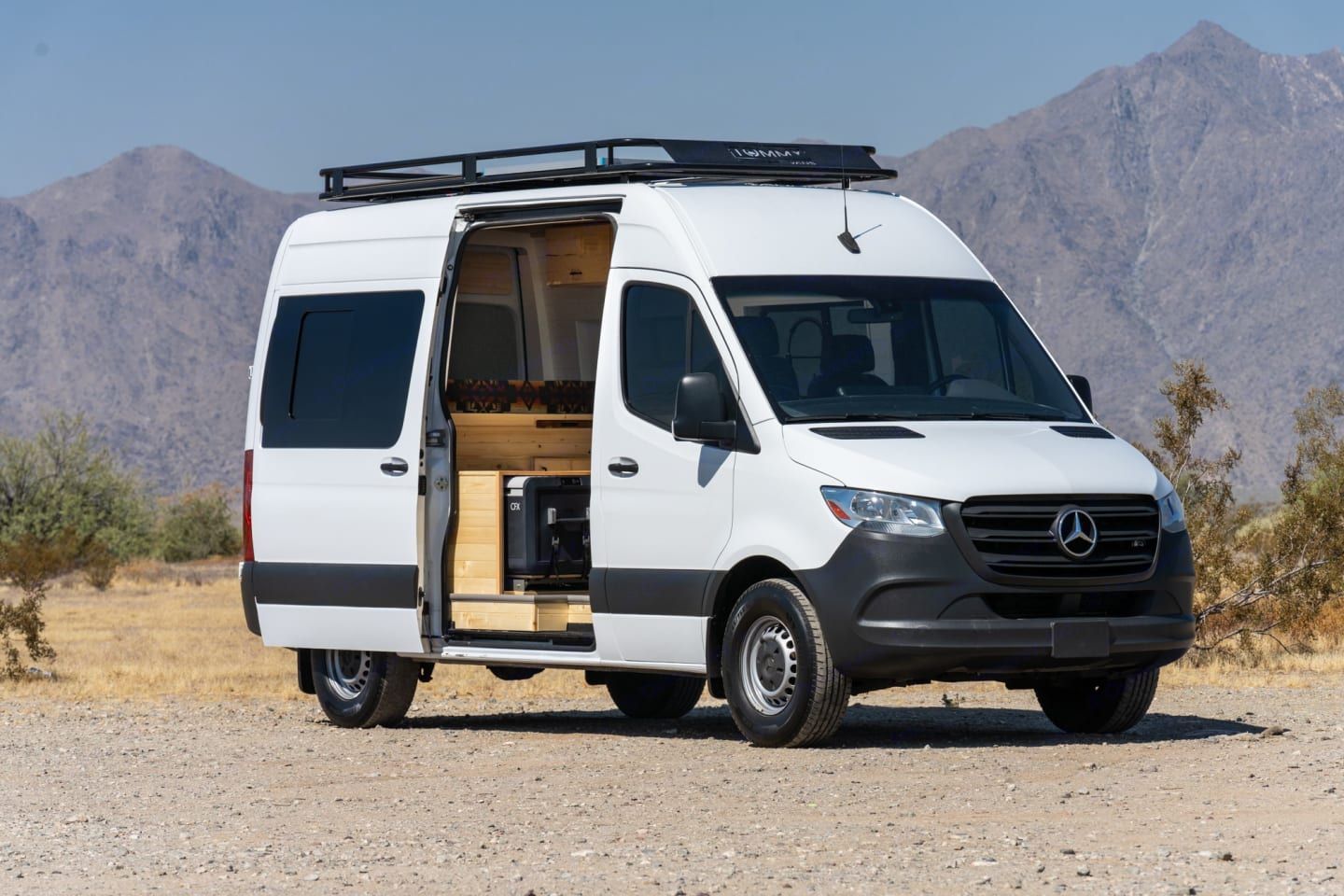
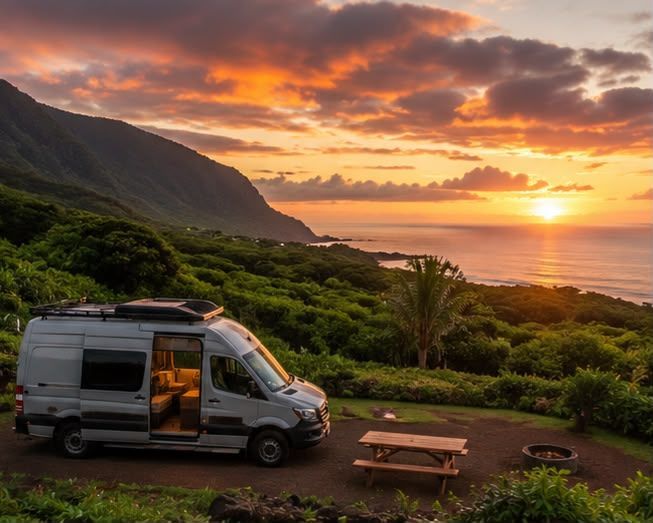
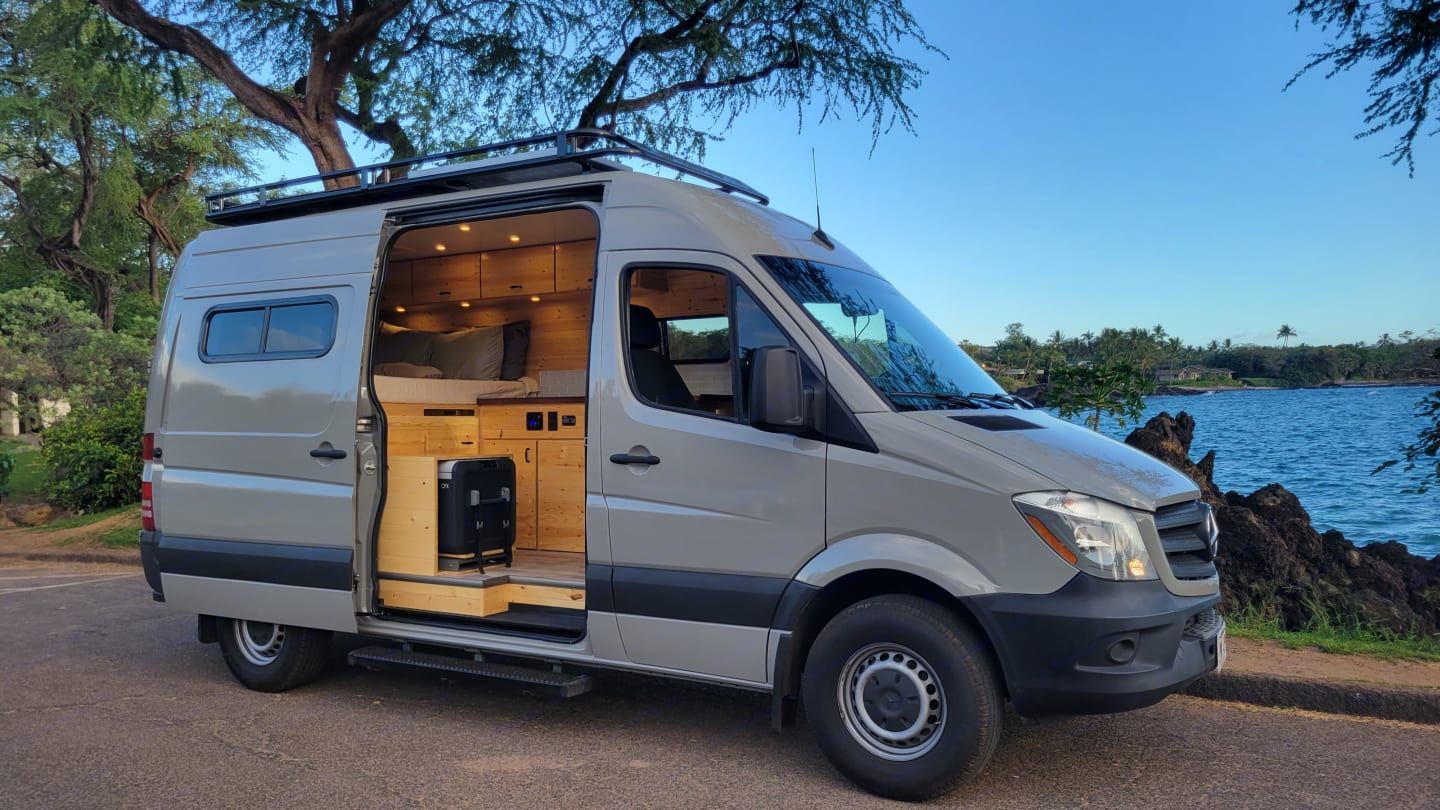
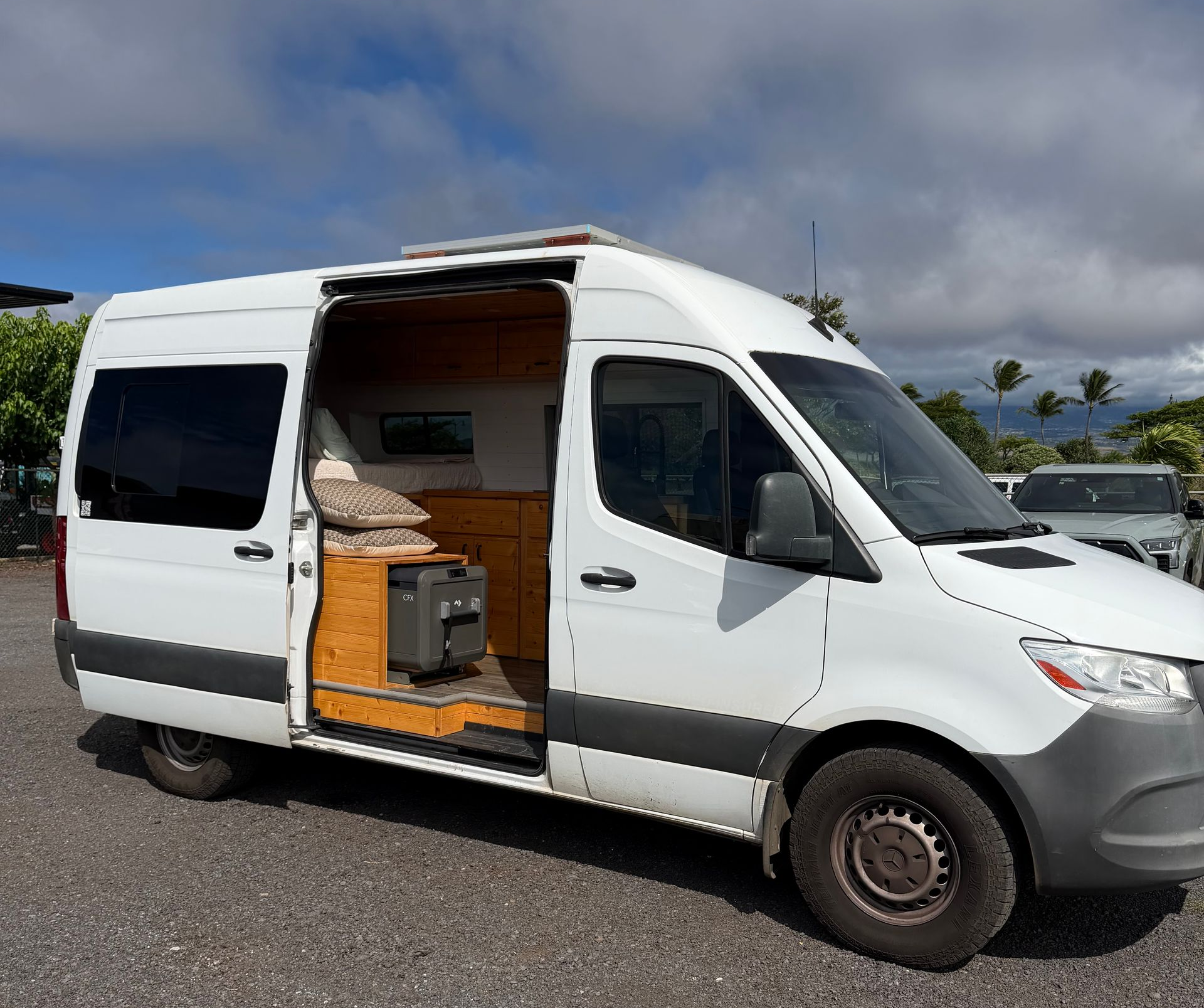
Sprinter van with open doors parked by mountainside road available for rental by Mana Vans in Kula, Maui, HI.

What Makes Waiʻanapanapa a Great Camping Spot?

  • Black sand beach with dramatic waves
  • Secluded lava tubes and tide pools
  • Popular stop on the Road to Hāna
  • Sunrise views that are worth waking up for
  • Facilities like restrooms, showers, and picnic tables


Whether you're after adventure or peace and quiet, this park delivers..

What is Van Life Camping?

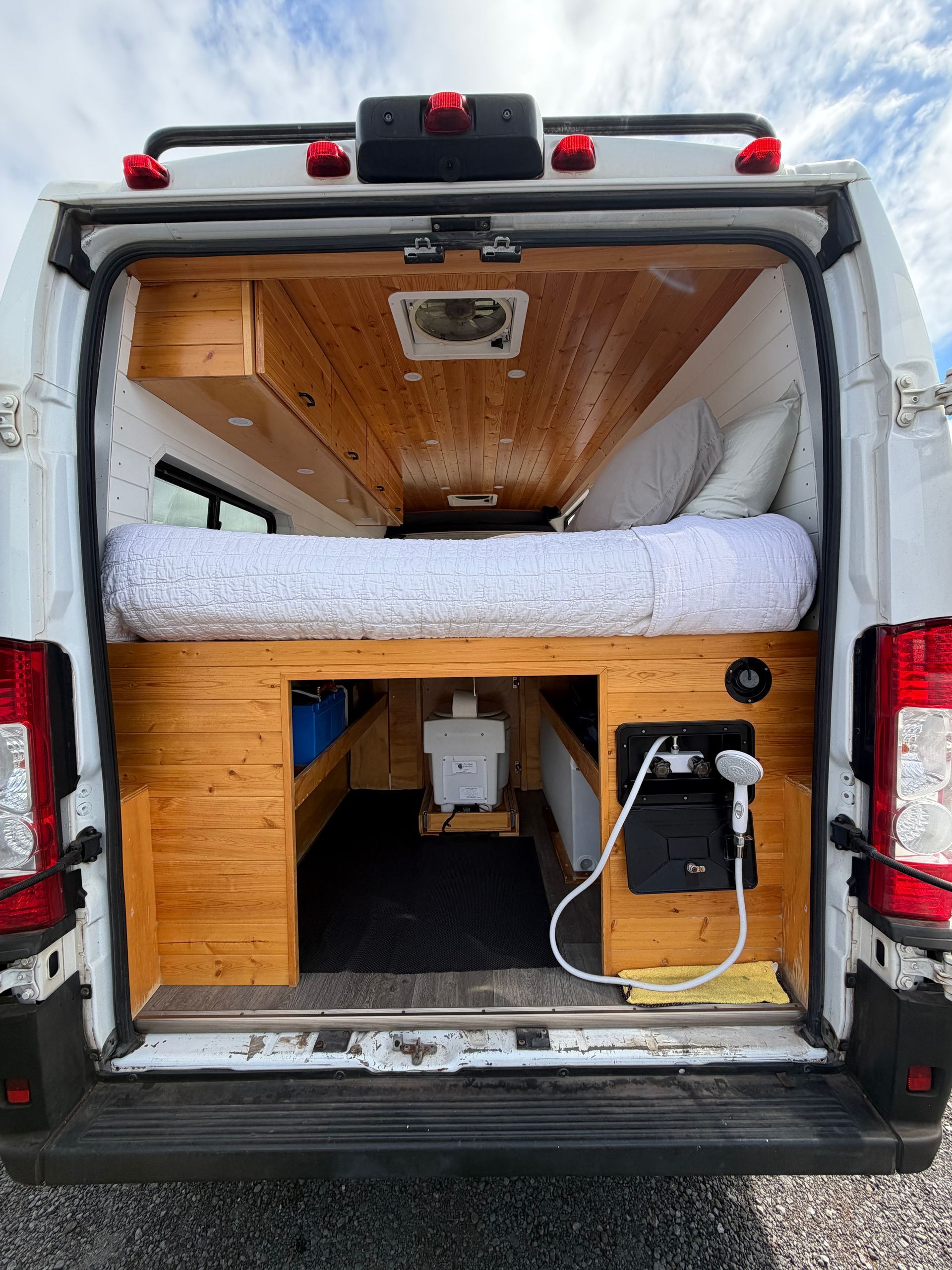
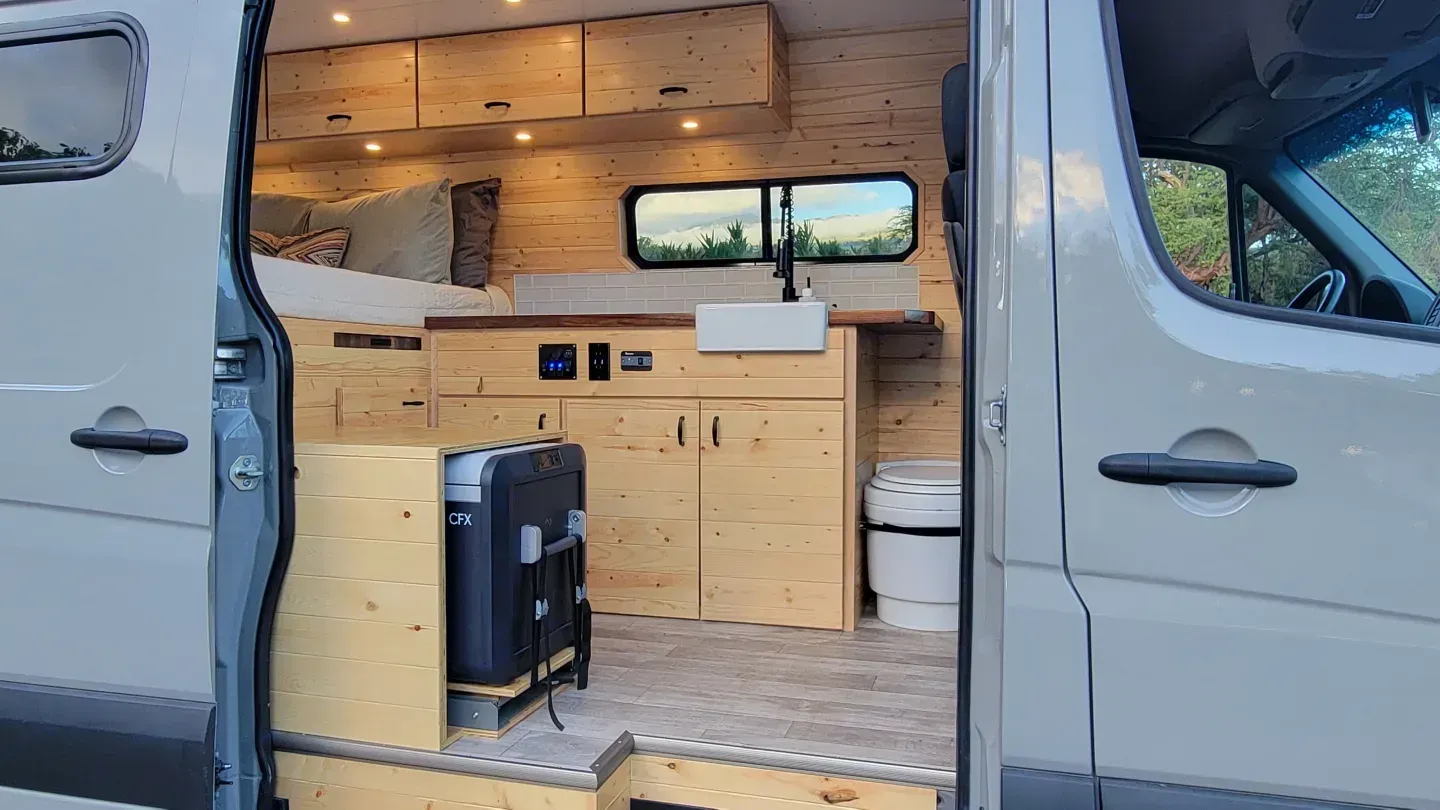
Van life camping means traveling and sleeping inside a camper van. These vans have beds, a small kitchen, interior lighting, and sometimes a bathroom. It’s like having a tiny mobile cabin.


Many campers prefer this option because it’s more comfortable, easy to move around, and ideal for unpredictable Maui weather.

What is Traditional Tent Camping?

Tent camping means sleeping in a tent set up on the ground. You’ll need a tent, sleeping pad, sleeping bags, a cooler, and cooking gear.


While it takes more effort, tent camping connects you closely to nature. It’s also the more affordable choice, especially for longer stays.

Comfort and Convenience

Van Life Comforts

  • Sleep off the ground and away from rain or bugs
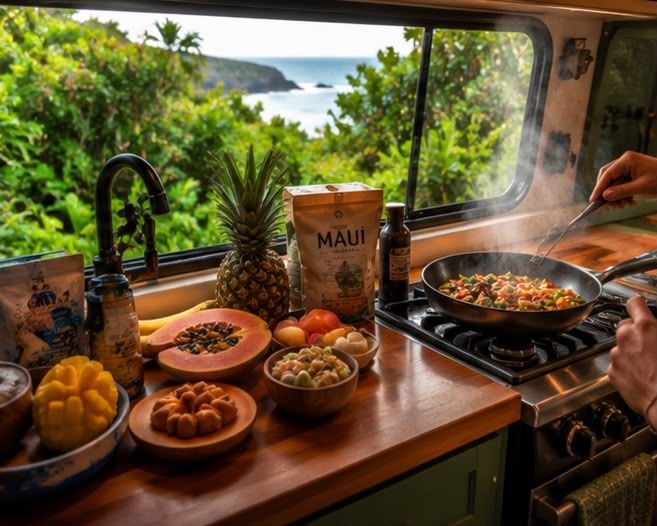
  • Prep meals with built-in kitchens
  • Charge your phone and gear
  • Easy to pack up and move if needed

Tent Camping Comforts

  • Enjoy fresh air, the sounds of nature, and stargazing
  • Lightweight and budget-friendly
  • Easy setup for short overnight trips
  • Perfect for hikers and solo travelers

Cost Comparison

Van Life Costs

  • $100–$200 per night (van rental)
  • Fuel + park fees + optional propane
  • Saves money on hotel rooms and gear

Costs of Tent Camping

  • One-time cost for basic gear
  • Wai‘anapanapa campsite fees are low
  • Ideal for longer trips on a budget

Location-Specific Tip

Wai‘anapanapa is located just off the Hana Highway, and the road can be narrow and winding. A camper van makes the drive easier and gives you flexibility if you want to visit nearby sites like Hāna Town, Red Sand Beach, or Wailua Falls.

Sustainability and the Environment

Taking care of the environment is important no matter where you camp. Here's how you can reduce your impact and camp responsibly in Wai‘anapanapa.

Van Life

  • Use eco-friendly disposal stations
  • Choose low-emission vans
  • Never dump wastewater or trash on site

Tent Camping

  • Stick to marked campsites
  • Use biodegradable soaps
  • Follow “Leave No Trace” principles

Which Option Handles Weather Better?

Maui’s weather can be unpredictable, especially on the east side.


  • Van campers stay dry and warm, even during heavy rain
  • Tent campers need tarps and waterproof gear to stay safe and dry


Tip: Always check the forecast before heading to the park—flash showers are common.

What Does Each Option Offer for Meals and Storage?

  • Vans often come with built-in stoves, fridges, and utensils
  • Tent campers must pack coolers, ice, and portable stoves


Food storage is safer in vans since animals can't reach it as easily.


If you're still weighing which type of van is right for your trip, this quick guide on how to find the best travel camper van can help.

Where Can You Park or Pitch Your Tent?

  • Vans must park in designated camper van areas
  • Tents can only be pitched in official campsites

Practical Tips for Camping at Wai‘anapanapa

To make your camping trip smooth and enjoyable, here are some practical tips for camping in Wai‘anapanapa. Following these tips can help you avoid common issues and fully enjoy your stay.


  • Make Reservations Early: Camping permits sell out fast
  • Follow Park Rules: No loud music, open fires, or feeding animals
  • Pack Smart: Bring waterproof bags, reef-safe sunscreen, and a flashlight
  • Bring Cash: For local food stands and roadside stops nearby

Local Tips for Wai‘anapanapa

  • Sunrise is a must-see—it gets bright early, so have your camera ready
  • Bring shoes for wet trails—lava rocks and moss can get slippery
  • Don’t swim if the waves are high—conditions change fast

Common Mistakes to Avoid

  • Forgetting to book in advance
  • Not checking the weather (flash rain showers are common)
  • Leaving food out—this attracts bugs and can lead to fines
  • Parking overnight in the wrong spot—you must use the designated camper van parking

What Amenities Are Available at the Park?

  • Restrooms and showers
  • Drinking water and picnic tables
  • No electricity or dump stations
  • Quiet hours are enforced overnight

Top Activities at Wai‘anapanapa

  • Hike the Ke Ala Loa O Maui trail
  • Swim or sunbathe at the black sand beach (check surf conditions first)
  • Watch the sunrise or stargaze at night
  • Explore sea caves and blowholes

Frequently Asked Questions

  • Can I camp anywhere in Wai‘anapanapa State Park?

    No, camping is allowed only at designated campsites. Always reserve your spot in advance.

  • Is overnight van camping allowed at Wai‘anapanapa?

    Yes, but vans must park in specified areas. Always check the rules when booking your stay.

  • What amenities does the Wai‘anapanapa campsite have?

    It has basic facilities like restrooms, showers, picnic tables, and drinking water. No electricity hookups.

  • How should I store food to avoid attracting animals?

    Keep food in sealed containers or inside your camper van. Never leave food unattended outside.

  • Are pets allowed at Wai‘anapanapa campsites?

    No, pets are not allowed to protect wildlife and ensure everyone's safety and comfort.

  • What should I do if it rains heavily during camping?

    Have waterproof gear ready, stay inside your van or secure your tent, and wait safely for the weather to clear.

Why Choose Mana Vans Hawaii for Your Camping Trip?

Van camping lets you enjoy Maui’s beauty without the hassle of setup, breakdown, or surprise weather. At Mana Vans Hawaii, we offer clean, fully equipped vans perfect for exploring Waiʻanapanapa and beyond.


Let us help you travel light, sleep comfortably, and experience Maui the easy way.
Ready for your Maui Adventure?

Check Availability (808) 289-3359
November 9, 2026
One of the most common questions we get before someone books is simple: what actually comes with the van, and what costs extra? It's a fair question — camper van rentals vary a lot from company to company. Here's the real breakdown for our fleet — Karma, Nalu, Bali, and Lotus — straight from what's listed on each van's page.
October 26, 2026
Maui rewards travelers who actually get out and drive — but the island isn't one single road trip, it's a handful of very different routes, each with its own pace, scenery, and camping options. Here's a breakdown of the routes our renters ask about most, and what a camper van makes possible on each one. The Road to Hana This is Maui's signature drive: the Road to Hana , a slow, winding coastal route past waterfalls, jungle bridges, and black sand beaches. It's known for one-lane bridges and tight switchbacks, which is exactly why a compact camper van handles it more comfortably than a full-size RV. Along the way, Ke'anae Uka Campground and Wai'anapanapa Campground give you a real reason to slow the drive down into two days instead of rushing it in one — pull off, camp near the coast, and pick the route back up in the morning. Upcountry Maui A completely different side of the island: rolling ranchland, eucalyptus groves, and cooler air as the road climbs toward Haleakala. Hosmer Grove Campground sits right at the edge of Haleakala National Park, which makes it the obvious base camp if a sunrise or sunset trip up the volcano is on your list. This route is shorter and less technical than the Road to Hana, so it's a good option if you want a lower-key driving day. West Maui's Coastal Route Heading out past Lahaina, the coastline opens up into quieter stretches of shoreline. Olowalu Campground is a good stop on this route — close enough to West Maui's beaches and snorkeling spots to use as a home base for a few days without committing to a long drive each morning. Building Your Own Route Every one of our campground guides breaks down what to expect at each site — amenities, terrain, and how to time your arrival — so you can string together the stops that match how you actually want to travel, instead of following someone else's fixed itinerary. Most travelers end up combining a Road to Hana leg with either an Upcountry night or a West Maui stretch, rather than trying to do the whole island in one direction. Picking the Right Van for Your Route The narrower and more technical the route, the more a compact van earns its keep. All four of our vans — Karma, Nalu, Bali, and Lotus — max out around 19 feet, small enough for Hana's bridges and switchbacks but still self-contained with a kitchen, shower, and solar power. If you're traveling with a third person, Bali is the only van in the fleet built to seat and sleep three — worth knowing before you book if your group isn't just a couple. See the full lineup on our Our Vans page. Ready to Plan Your Route? Whichever route you're leaning toward, our campground guides and pricing page are the best places to start planning nights and budget. Call (808) 289-3359 and we'll help you map out a route that fits your trip.
October 12, 2026
If you're planning a Maui road trip, one of the first decisions you'll make is what to actually drive and sleep in. RV rental companies exist on Maui, and so do camper van companies like ours — and at a glance the two can look like they solve the same problem. On the island, though, the experiences are pretty different, and the right pick usually comes down to where you're headed, how many people are traveling, and how you want your days to go. The Road to Hana Changes the Math Maui's most iconic drive — the Road to Hana — is narrow, winding, and lined with one-lane bridges and tight switchbacks. It's manageable in a standard-size vehicle, but a large RV (many run 25 feet or longer) can turn that drive into a stressful, white-knuckle experience, and some sections aren't RV-friendly at all. Our vans max out around 19 feet, closer to the footprint of a large SUV, which makes a real difference navigating Hana's turns or squeezing into a parking spot in Paia or Hana town. Where You Can Actually Camp This is the other big difference. Many of Maui's best campgrounds — the ones our Camp Maui guides cover, like Kipahulu and Hosmer Grove — have size restrictions or simply aren't built for a full-size RV to maneuver into a site. A camper van fits into a standard campsite the same way a car would, so you're not limited to the handful of RV-accessible lots on the island. That opens up a lot more of Maui's coastline and upcountry campgrounds to actually sleep in, not just drive past. What You're Actually Renting An RV rental is usually just the vehicle — bedding, kitchen gear, and camp setup are often separate rentals or your own packing list. Every van in our fleet — Karma, Nalu, Bali, and Lotus — comes fully equipped: gas range stovetop, farm sink with hot water, hot water shower, refrigerator/freezer, solar panels, dimmable lighting, an odorless toilet, and real linens for the bed. You can see the full rundown of each van on our Our Vans page. It's set up so you can pick up the keys and go, without a separate gear list to manage before your trip even starts. Cost Comparison Camper van rentals with Mana Vans run $69–$299 per night depending on the van, season, and mileage package, with about 10% off week-long bookings and 12% off month-long bookings. Full breakdown is on our pricing page . RV rentals on Maui are often quoted in a similar nightly range before add-ons, but because bedding, kitchen kits, and camp gear are frequently rented separately, the final cost can climb once everything you actually need for camping gets added in. It's worth confirming exactly what's included before comparing two quotes side by side — the nightly rate alone doesn't always tell the full story. Space vs. Maneuverability There's one honest trade-off worth naming: an RV generally offers more interior square footage than a camper van, which can matter for a larger group or a longer stay in one place. But on an island where the best experiences are often at the end of a narrow road or tucked into a small campground, that extra space comes at the cost of where you can actually take the vehicle. For most Maui trips, being able to go everywhere matters more than having more room to stand in. So Which Should You Book? If your trip includes the Road to Hana, Upcountry backroads, or camping at one of Maui's smaller campgrounds, a camper van is going to be the easier, more flexible choice. An RV can make sense if you're staying mostly on the main highways and prioritizing interior space over maneuverability. For most Maui itineraries — beach mornings, waterfall stops, camping under the stars — a camper van hits the sweet spot between comfort and actually being able to get where you're going. Ready to Compare Vans? Take a look at our four camper vans — Karma, Nalu, Bali, and Lotus — on the Our Vans page, or call (808) 289-3359 to talk through which one fits your trip best.
September 29, 2026
Nightly rate is usually the first number people look at when comparing camper van rentals — but it's rarely the only number that matters. Here's the full, verified breakdown of what a Mana Vans Hawaii rental actually costs, what's refundable, and what the cancellation policy looks like. Nightly Rates Each van in our fleet — Karma, Nalu, Bali, and Lotus — is currently listed at $189 per night. Rates can range from $69 to $299 per night depending on season, mileage package, and demand, so it's worth checking current availability for your exact dates on our pricing page . Discounts for Longer Trips and Early Booking Trip length and how far in advance you book both work in your favor. Week-long rentals get roughly 10% off the nightly rate, and month-long rentals get roughly 12% off. If you're planning far ahead, booking six months or more before your trip can get you up to 20% off — the single biggest discount available, and one a lot of renters don't realize exists until they ask. Security Deposit & Prep Fee Every van rental includes a $1,200 refundable security deposit and a $239 prep fee. The prep fee isn't a junk charge — it covers a full detail of the van inside and out, cleaning the linens, and topping off the water storage and other fluids before you pick it up. The security deposit is refunded as long as the van comes back in the condition it left in; it's not part of the nightly rate you see advertised, so it's worth budgeting for separately when you're planning your trip cost. Cancellation & Refund Policy This is the part worth reading before you book, not after. You can cancel within 48 hours of booking for a full refund, as long as at least 14 days remain before departure. After that 48-hour window, refunds scale down based on how close you are to your trip: 60% back if you cancel 30 or more days before arrival, 25% back if you cancel 14–29 days out, and no refund at all if you cancel within 14 days of arrival — plus a $150 cancellation fee on top. A couple of details worth knowing: the service fee, and the tax charged on it, are never refundable regardless of when you cancel. Insurance and other taxes are refundable. And if there's still a balance owed on your booking at the time you cancel, that remainder is due — canceling doesn't erase what's already owed on the total. If your plans might still be in flux, it's worth booking with that 48-hour window in mind, or calling to talk through your specific dates before you commit. Early Pick-Up, Late Drop-Off & Other Add-Ons If your flight schedule doesn't line up neatly with a standard pick-up or drop-off time, early pick-up or late drop-off is available for $50 each, upon request and confirmed in advance — this isn't guaranteed on demand, so it's best to ask when you book rather than the day of. Airport pick-up or drop-off runs $25 each way, and if you're planning to snorkel, gear is available at $30 per adult and $20 per child. Putting It All Together For a one-week trip in one van at the current $189/night rate, a rough budget looks like: nightly rate (with the ~10% weekly discount applied), plus the $239 prep fee, plus the $1,200 refundable deposit set aside separately, plus any add-ons you choose. The deposit comes back after the trip, so it's not money you actually spend — but it does need to be available on your card when you pick up the van. Ready to Get a Quote? Call (808) 289-3359 and we'll walk you through pricing, the deposit, and the cancellation window for your specific dates and van — or take a look at our Our Vans page to compare Karma, Nalu, Bali, and Lotus before you book.
July 6, 2026
What to Expect on Your First Night Camping on Maui in a Campervan