Camper Vans vs. Car Camping: The Best Way to See Wahi Na‘nea

Planning a trip to Wahi Na‘nea? This peaceful spot is one of the best places in Hawaii to enjoy quiet beaches, starry skies, and outdoor fun. But before you go, you have to decide: Should you travel in a camper van or try car camping?


Both options let you stay close to nature, but they offer very different experiences. In this post, we’ll go over the pros and cons of each so you can choose what’s right for your trip.

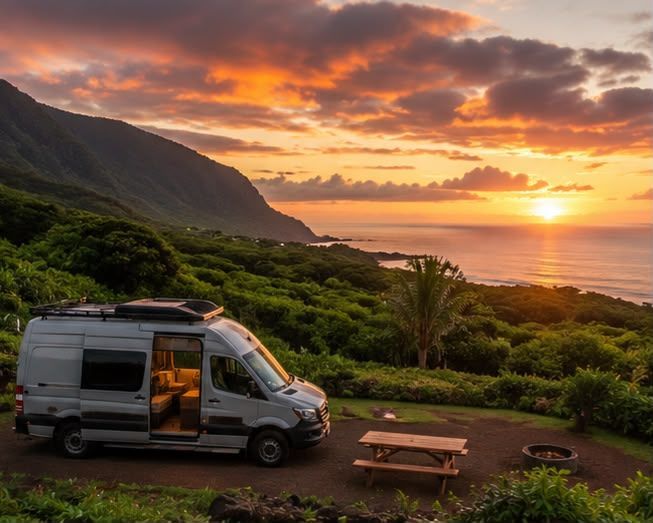
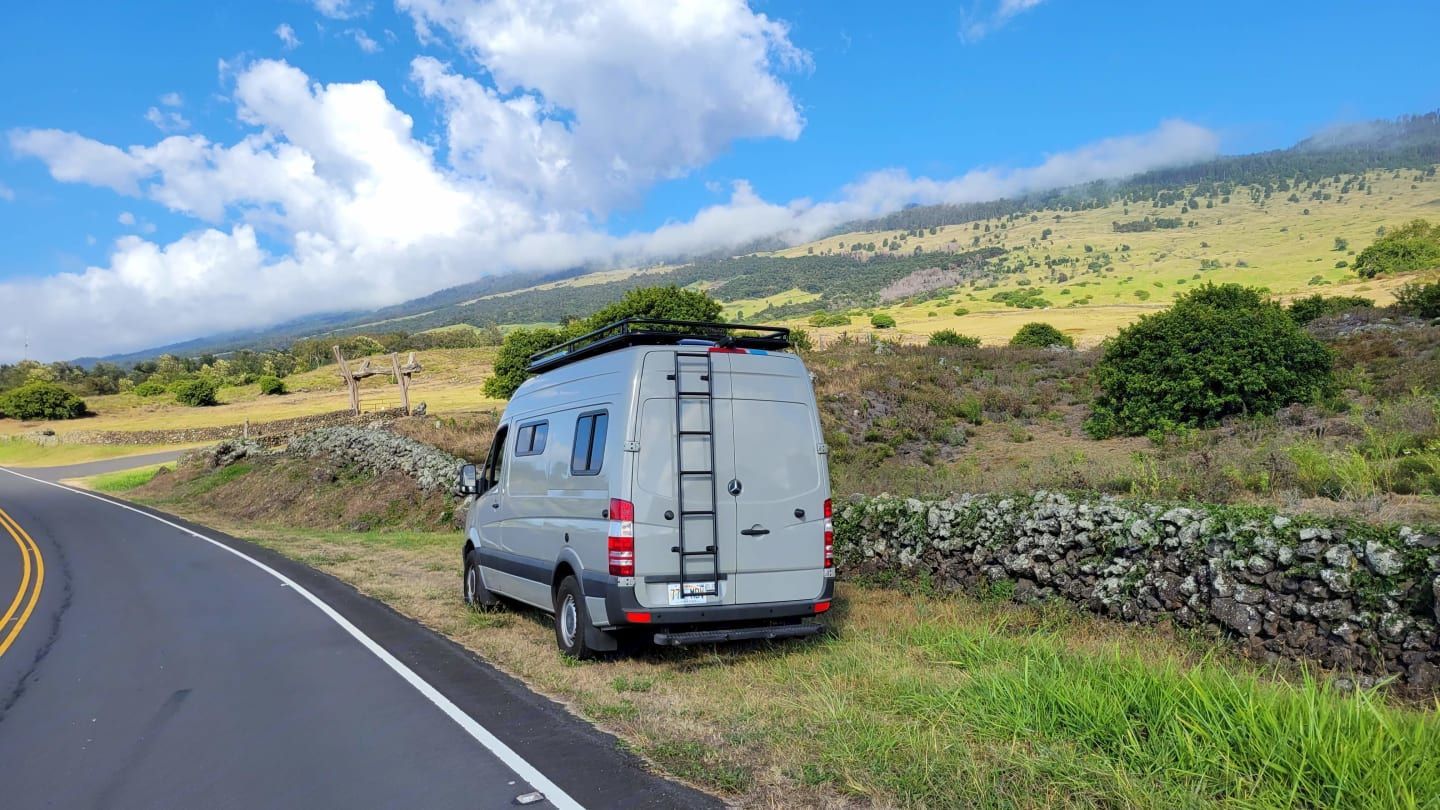
A Mana Vans Hawaii camper van parked at a scenic Waiʻānapanapa campground at sunset, available for rental in Hāna, Maui, HI.

What Is Car Camping in Wahi Na‘nea?

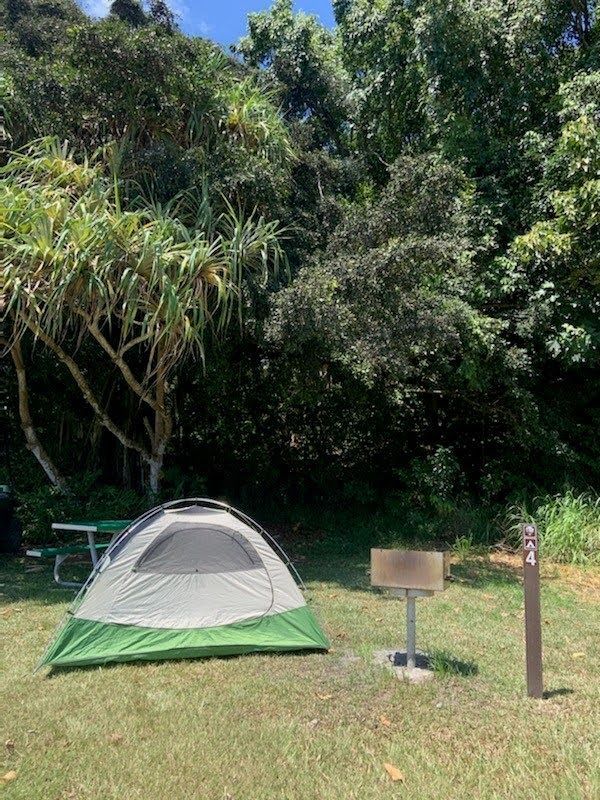
Car camping means you sleep in your car or next to it in a tent. It’s simple and cheap. Many people choose car camping for short trips or when they don’t need much gear.


But you’ll have to deal with less space, no kitchen or bathroom, and limited comfort if the weather turns bad.

What Is a Camper Van and How Does It Work in Hawaii?

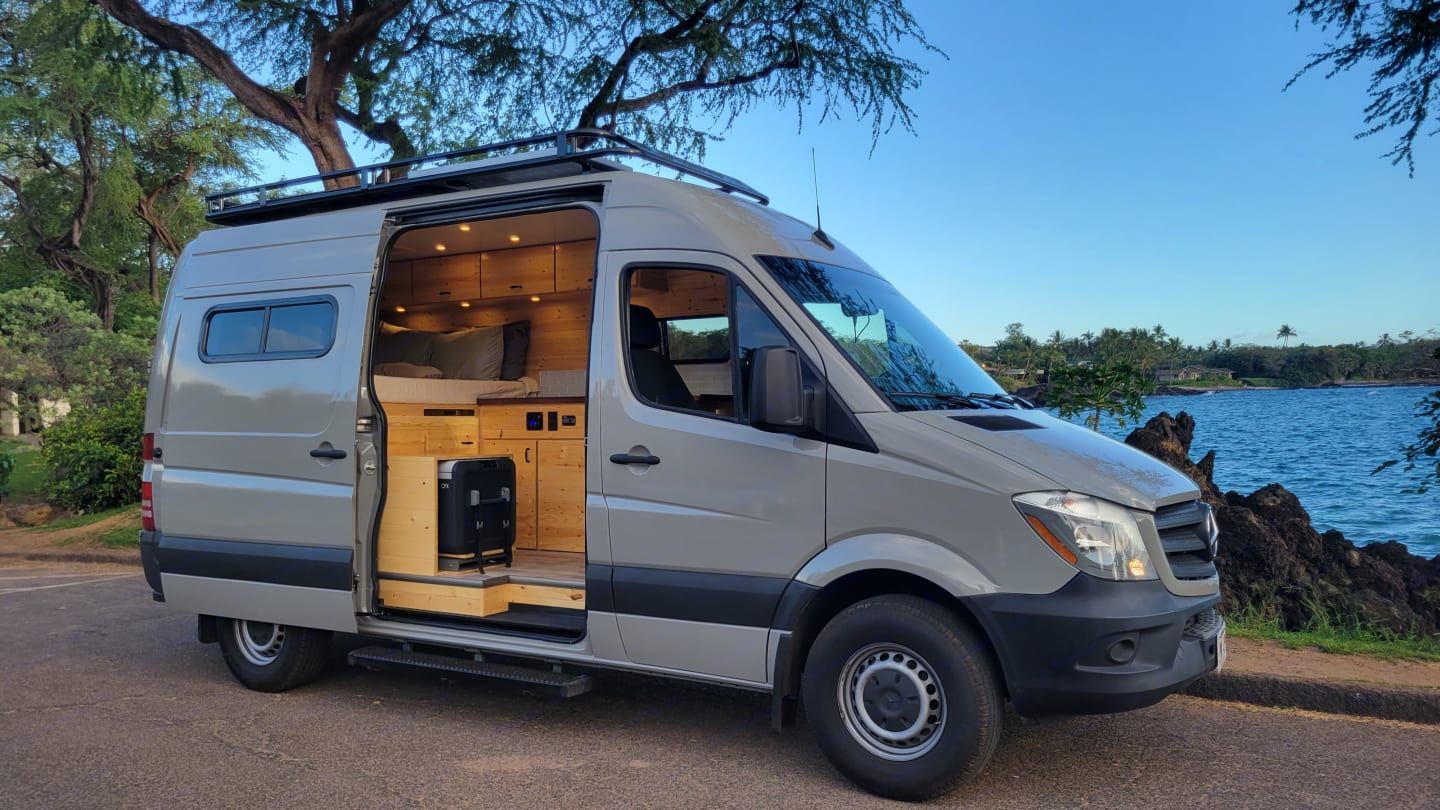
Camper vans are vehicles built for sleeping and traveling. 


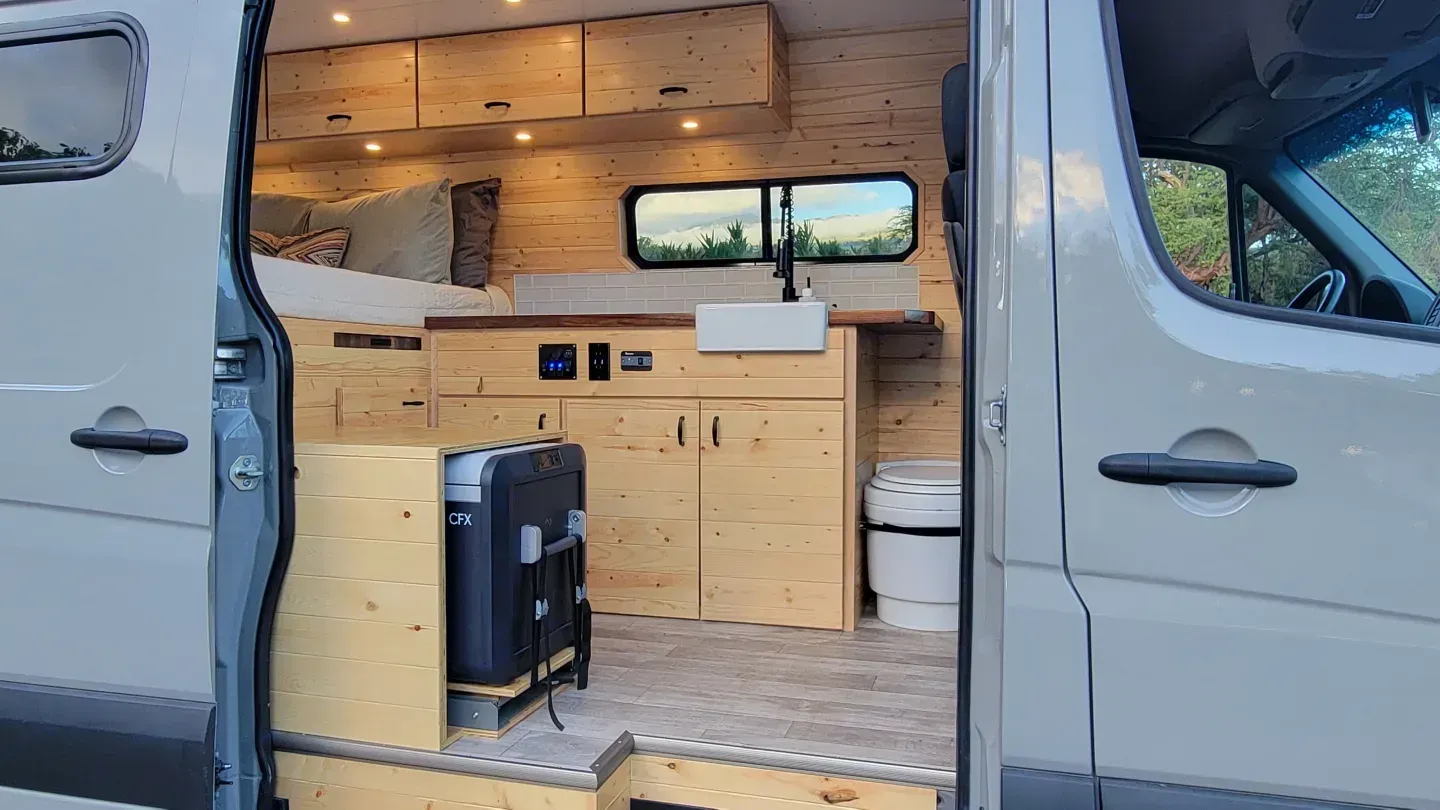
Here’s what they typically include:


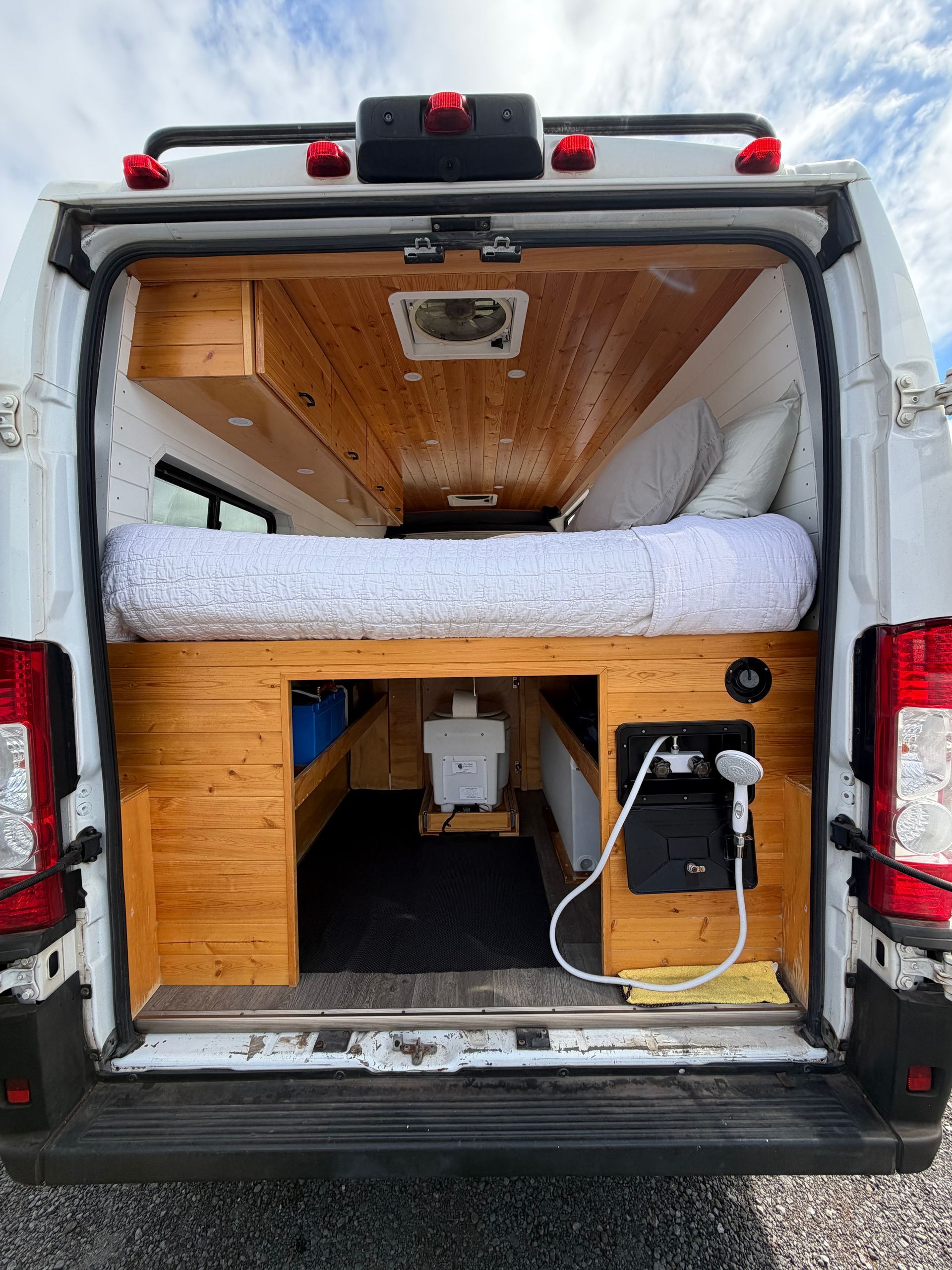
  • A built-in bed for better rest
  • Storage space for clothes, gear, and food
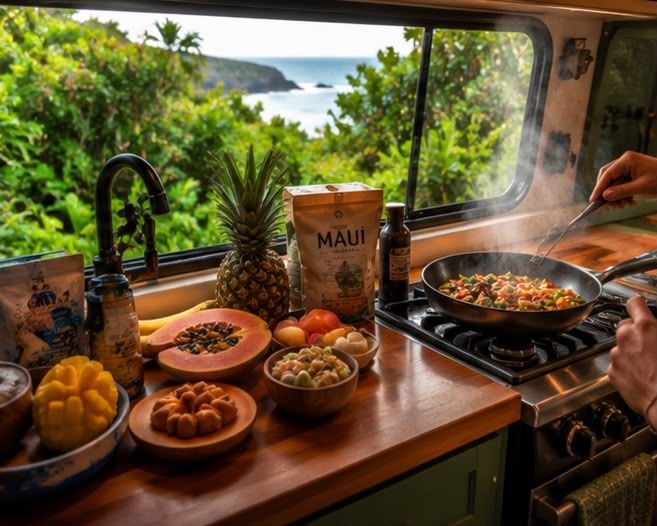
  • A small kitchen area with a stove or sink
  • Solar power or battery systems for lights and charging
  • Climate control features like fans or ventilation


They’re great for longer trips or when you want to stay comfortable in any weather. You can park them at most campsites in Wahi Na‘nea, and some even have space for hookups.

Comparing Cost: Camper Vans vs. Car Camping

Both car camping and camper vans have different costs to think about. Car camping is great if you're on a tight budget, while camper vans offer more value for longer trips. 


Here's a quick breakdown:

Car Camping

Pros:

  • Cheaper up front
  • Great for short trips
  • Easy to start with minimal gear

Cons:

  • Requires buying or renting gear
  • Less comfort in bad weather

Camper Van

Pros:

  • Comes fully equipped
  • Saves time and setup
  • Better for longer trips

Cons:

  • Higher rental cost
  • It may be harder to park in small spaces


For longer trips, a camper van might help you save money on gear and meals. Choose the one that fits your travel plans best. It all depends on how long you plan to stay and what comforts matter to you.

Comfort, Privacy, and Weather Protection

Camper Van

  • More privacy inside the vehicle
  • Keeps you dry during rain and strong winds
  • Includes a real bed for better sleep
  • Offers better airflow and more space to move around

Car Camping

  • May expose you to heat, bugs, and rain
  • Requires finding a flat spot for the tent
  • Less privacy than a van
  • It can be fun, but less comfortable overall

Campground Access and Travel Flexibility

  • Most campgrounds in Wahi Na‘nea allow both cars and vans
  • Camper vans are bigger, so parking in tight spaces might be harder
  • Car campers can explore narrow roads and small pull-offs more easily
  • Camper vans let you move between sites without unpacking everything each time

Environmental Impact and Park Rules in Wahi Na‘nea

Camper vans are designed to be self-contained. That means you carry out trash, use built-in water tanks, and need fewer supplies.


With car camping, you often bring more gear and leave more waste. No matter how you camp, always follow local rules, clean up, and respect the land.

Local Insight: What Do Most Travelers Choose?

Solo travelers or weekend trips often go with car camping because it’s cheaper and easier.


Families or couples staying longer usually prefer camper vans for comfort and space. Many people try car camping first, then switch to a camper van on their next visit.

Safety and Wildlife Awareness While Camping

When camping in Wahi Na‘nea, it’s important to be aware of local wildlife and take safety steps. Here are a few tips:

  • Camper vans offer more protection from animals at night
  • Keep food sealed and stored inside your vehicle or cooler
  • Zip up tents tightly and don’t leave snacks out
  • Clean up all trash and food scraps right away
  • Never approach or feed wild animals

Staying alert and clean helps everyone enjoy the outdoors safely.

Packing Tips for Your Hawaii Camping Trip

No matter which option you choose, packing the right items makes a big difference. 


Here’s what to bring:

  • Reef-safe sunscreen and bug spray
  • Lightweight bedding or a sleeping bag
  • A cooler or fridge for food storage
  • Flashlights or headlamps for night use
  • First aid kit and emergency tools


Camper vans may include many of these, but it’s always good to double-check before you go.

Which One Is Better for You?

If you want to save money and pack light, car camping is a solid choice. If you care more about comfort, privacy, and convenience, a camper van is a better pick.


Both options work in Wahi Na‘nea, it just depends on how you want to travel.

Frequently Asked Questions

  • Can I rent a camper van on the island?

    Yes, you can rent one from local companies. They come with beds, storage, and gear.

  • Are there bathrooms in camper vans?

    Some have small toilets or showers. Most campers use campground facilities.

  • Do I need a special permit to camp in Wahi Na‘nea?


  • Yes, a permit from Hawaii’s Department of Land and Natural Resources is required. Is car camping safe in Hawaii?

    Yes, just camp in allowed areas and keep your items secure.

  • Can I cook meals in a camper van?

    Most vans include a propane stove or a small kitchen. You can also cook at picnic spots.

  • Which is better for families—camper vans or car camping?

    Camper vans are better because they’re more comfortable and keep everyone together.

Plan Your Wahi Na‘nea Adventure with Mana Vans Hawaii

Ready to hit the road in comfort? Camper vans offer the best mix of freedom, safety, and fun, especially in beautiful places like Wahi Na‘nea. You can sleep under the stars, cook your own meals, and wake up to amazing views.


Mana Vans Hawaii has fully equipped camper vans to make your trip easy and unforgettable. Have questions or want to book your ride? Contact Us today!
Ready for your Maui Adventure?

Check Availability (808) 289-3359
September 29, 2026
If you're planning a Maui road trip, one of the first decisions you'll make is what to actually drive and sleep in. RV rental companies exist on Maui, and so do camper van companies like ours — and at a glance the two can look like they solve the same problem. On the island, though, the experiences are pretty different, and the right pick usually comes down to where you're headed, how many people are traveling, and how you want your days to go. The Road to Hana Changes the Math Maui's most iconic drive — the Road to Hana — is narrow, winding, and lined with one-lane bridges and tight switchbacks. It's manageable in a standard-size vehicle, but a large RV (many run 25 feet or longer) can turn that drive into a stressful, white-knuckle experience, and some sections aren't RV-friendly at all. Our vans max out around 19 feet, closer to the footprint of a large SUV, which makes a real difference navigating Hana's turns or squeezing into a parking spot in Paia or Hana town. Where You Can Actually Camp This is the other big difference. Many of Maui's best campgrounds — the ones our Camp Maui guides cover, like Kipahulu and Hosmer Grove — have size restrictions or simply aren't built for a full-size RV to maneuver into a site. A camper van fits into a standard campsite the same way a car would, so you're not limited to the handful of RV-accessible lots on the island. That opens up a lot more of Maui's coastline and upcountry campgrounds to actually sleep in, not just drive past. What You're Actually Renting An RV rental is usually just the vehicle — bedding, kitchen gear, and camp setup are often separate rentals or your own packing list. Every van in our fleet — Karma, Nalu, Bali, and Lotus — comes fully equipped: gas range stovetop, farm sink with hot water, hot water shower, refrigerator/freezer, solar panels, dimmable lighting, an odorless toilet, and real linens for the bed. You can see the full rundown of each van on our Our Vans page. It's set up so you can pick up the keys and go, without a separate gear list to manage before your trip even starts. Cost Comparison Camper van rentals with Mana Vans run $69–$299 per night depending on the van, season, and mileage package, with about 10% off week-long bookings and 12% off month-long bookings. Full breakdown is on our pricing page . RV rentals on Maui are often quoted in a similar nightly range before add-ons, but because bedding, kitchen kits, and camp gear are frequently rented separately, the final cost can climb once everything you actually need for camping gets added in. It's worth confirming exactly what's included before comparing two quotes side by side — the nightly rate alone doesn't always tell the full story. Space vs. Maneuverability There's one honest trade-off worth naming: an RV generally offers more interior square footage than a camper van, which can matter for a larger group or a longer stay in one place. But on an island where the best experiences are often at the end of a narrow road or tucked into a small campground, that extra space comes at the cost of where you can actually take the vehicle. For most Maui trips, being able to go everywhere matters more than having more room to stand in. So Which Should You Book? If your trip includes the Road to Hana, Upcountry backroads, or camping at one of Maui's smaller campgrounds, a camper van is going to be the easier, more flexible choice. An RV can make sense if you're staying mostly on the main highways and prioritizing interior space over maneuverability. For most Maui itineraries — beach mornings, waterfall stops, camping under the stars — a camper van hits the sweet spot between comfort and actually being able to get where you're going. Ready to Compare Vans? Take a look at our four camper vans — Karma, Nalu, Bali, and Lotus — on the Our Vans page, or call (808) 289-3359 to talk through which one fits your trip best.
September 29, 2026
Nightly rate is usually the first number people look at when comparing camper van rentals — but it's rarely the only number that matters. Here's the full, verified breakdown of what a Mana Vans Hawaii rental actually costs, what's refundable, and what the cancellation policy looks like. Nightly Rates Each van in our fleet — Karma, Nalu, Bali, and Lotus — is currently listed at $189 per night. Rates can range from $69 to $299 per night depending on season, mileage package, and demand, so it's worth checking current availability for your exact dates on our pricing page . Discounts for Longer Trips and Early Booking Trip length and how far in advance you book both work in your favor. Week-long rentals get roughly 10% off the nightly rate, and month-long rentals get roughly 12% off. If you're planning far ahead, booking six months or more before your trip can get you up to 20% off — the single biggest discount available, and one a lot of renters don't realize exists until they ask. Security Deposit & Prep Fee Every van rental includes a $1,200 refundable security deposit and a $239 prep fee. The prep fee isn't a junk charge — it covers a full detail of the van inside and out, cleaning the linens, and topping off the water storage and other fluids before you pick it up. The security deposit is refunded as long as the van comes back in the condition it left in; it's not part of the nightly rate you see advertised, so it's worth budgeting for separately when you're planning your trip cost. Cancellation & Refund Policy This is the part worth reading before you book, not after. You can cancel within 48 hours of booking for a full refund, as long as at least 14 days remain before departure. After that 48-hour window, refunds scale down based on how close you are to your trip: 60% back if you cancel 30 or more days before arrival, 25% back if you cancel 14–29 days out, and no refund at all if you cancel within 14 days of arrival — plus a $150 cancellation fee on top. A couple of details worth knowing: the service fee, and the tax charged on it, are never refundable regardless of when you cancel. Insurance and other taxes are refundable. And if there's still a balance owed on your booking at the time you cancel, that remainder is due — canceling doesn't erase what's already owed on the total. If your plans might still be in flux, it's worth booking with that 48-hour window in mind, or calling to talk through your specific dates before you commit. Early Pick-Up, Late Drop-Off & Other Add-Ons If your flight schedule doesn't line up neatly with a standard pick-up or drop-off time, early pick-up or late drop-off is available for $50 each, upon request and confirmed in advance — this isn't guaranteed on demand, so it's best to ask when you book rather than the day of. Airport pick-up or drop-off runs $25 each way, and if you're planning to snorkel, gear is available at $30 per adult and $20 per child. Putting It All Together For a one-week trip in one van at the current $189/night rate, a rough budget looks like: nightly rate (with the ~10% weekly discount applied), plus the $239 prep fee, plus the $1,200 refundable deposit set aside separately, plus any add-ons you choose. The deposit comes back after the trip, so it's not money you actually spend — but it does need to be available on your card when you pick up the van. Ready to Get a Quote? Call (808) 289-3359 and we'll walk you through pricing, the deposit, and the cancellation window for your specific dates and van — or take a look at our Our Vans page to compare Karma, Nalu, Bali, and Lotus before you book.
July 6, 2026
What to Expect on Your First Night Camping on Maui in a Campervan
June 26, 2026
Maui Campervan Rental vs. Hotel: What Nobody Tells You About the Real Cost 
June 12, 2026
How to Book Maui Camping Reservations (And Why Most Visitors Get It Wrong)